Local detail
Where People Go Wrong
Most of the calls we get start the same way: a door that's been getting louder for months, and an owner who sprayed some WD-40 on it and called it done. That works for a season or two, and then it doesn't, because the hardware underneath isn't new. Beaverton's housing stock runs 1964 through 2006, with the median sitting right at 1984 - which means a huge share of doors in this town are original or close to it, on torsion springs that were rated for a certain number of cycles decades ago and have been quietly using them up ever since. Spraying lubricant on a worn roller or a stretched cable doesn't reset that clock. It just makes the failure quieter until the spring lets go or the cable jumps the drum. The other mistake is treating every noise the same. A squeal usually means a roller. A bang on the way down usually means something has already broken and the door is about to stop opening at all. Knowing the difference matters more in a neighborhood full of 1980s-and-90s doors than it would in a subdivision where everything's five years old.
The area
The Situation
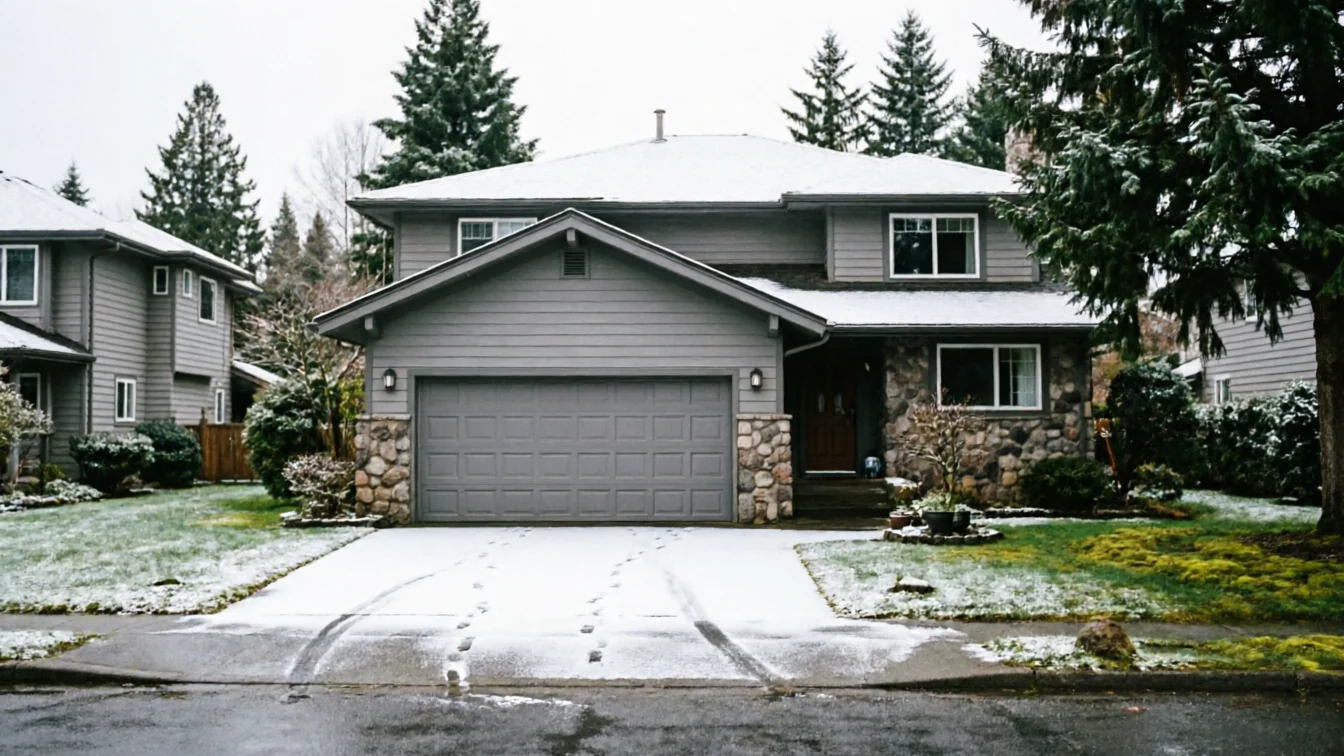
Across the areas we work - Cedar Hills, West Slope, Five Oaks, Cooper Mountain, Sexton Mountain, and the rest of the named pockets within a few miles of Central Beaverton - the housing wave is the same wave: built mostly in the 1980s and 90s, with outliers stretching back to 1964 and forward to 2006. That's one long run of construction using a narrow band of door hardware, which means a lot of these homes are hitting spring and opener failure at roughly the same age, just at different years depending on when their specific street went up. With 82,681 owner-occupied houses across the service area and median household income around $103,069, most of what we see isn't deferred-maintenance neglect - it's hardware that's simply reached the end of its rated life at the same time as a lot of its neighbors' hardware did. If your door is original to a house built in the early-to-mid 80s, you're not unlucky. You're on schedule.
What we find
When It Stops Being a DIY Job
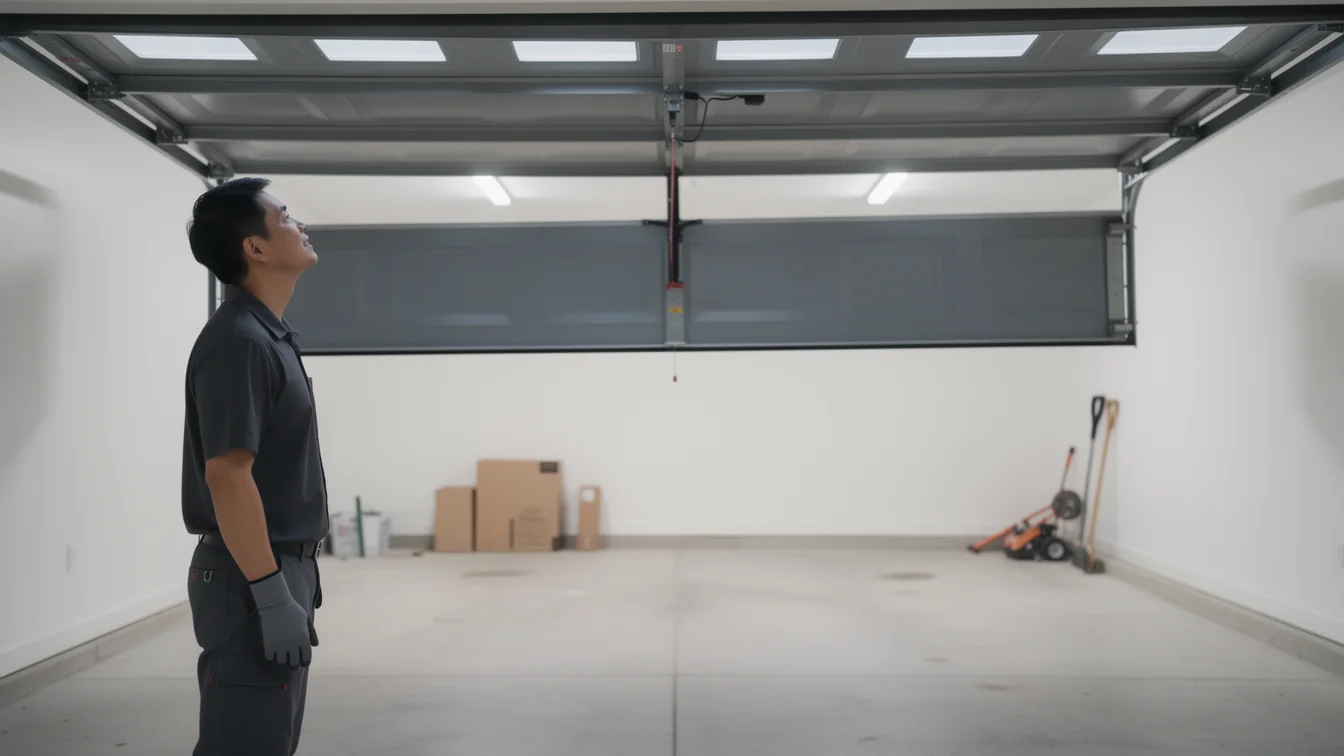
A loose bolt or a dirty track, fix it yourself. A torsion spring under tension is a different category of problem, and on the doors we see most - the 1970s and 80s builds with a single center spring on a double door - that spring is holding more force than people expect from something that size. We don't recommend touching it without the right bars and a clamp, and honestly, on older doors with hardware we don't carry on the truck, the repair sometimes has to wait on an ordered part rather than happening same-visit. That's the honest limitation: original hardware from a 1960s or 70s build isn't always something we can swap in an hour. What we can tell you on the spot is whether a repair makes sense at all, or whether a door that age is better replaced than patched again.
How we work
What Local Conditions Do
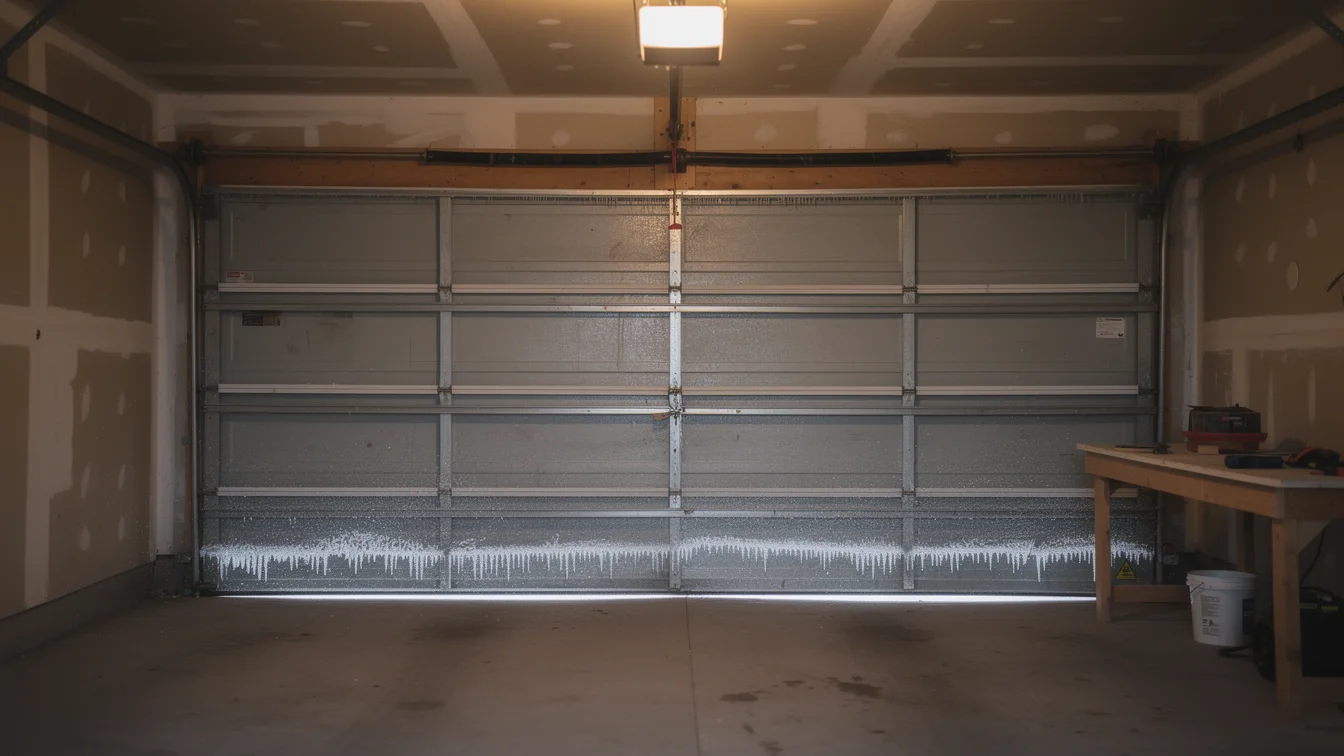
Beaverton sits in a mild climate with occasional freeze mornings rather than a hard winter, which is easier on garage doors than a true freeze-thaw climate, but it isn't nothing. Steel contracts on the cold mornings we do get, and on an older torsion system that's already near the end of its cycle count, that small seasonal tightening is sometimes what finally snaps a spring that was going to fail anyway. It's rarely the cold itself causing damage - it's the cold exposing wear that was already there. That's part of why October and January tend to bring more spring calls than July does, even in a climate this mild.
Talk to a local pro
Garage door trouble in Beaverton?
Same-day service with honest, upfront quotes.