Local detail
Where People Go Wrong
The first thing most people do when the power drops and the garage door won't move is mash the wall button a few more times, then go looking for the manual release cord without knowing what it actually does. Pulling it disconnects the trolley from the opener carriage so you can lift the door by hand - it doesn't restore power, and it doesn't fix anything if the door was already fighting worn rollers or a spring that's losing tension.
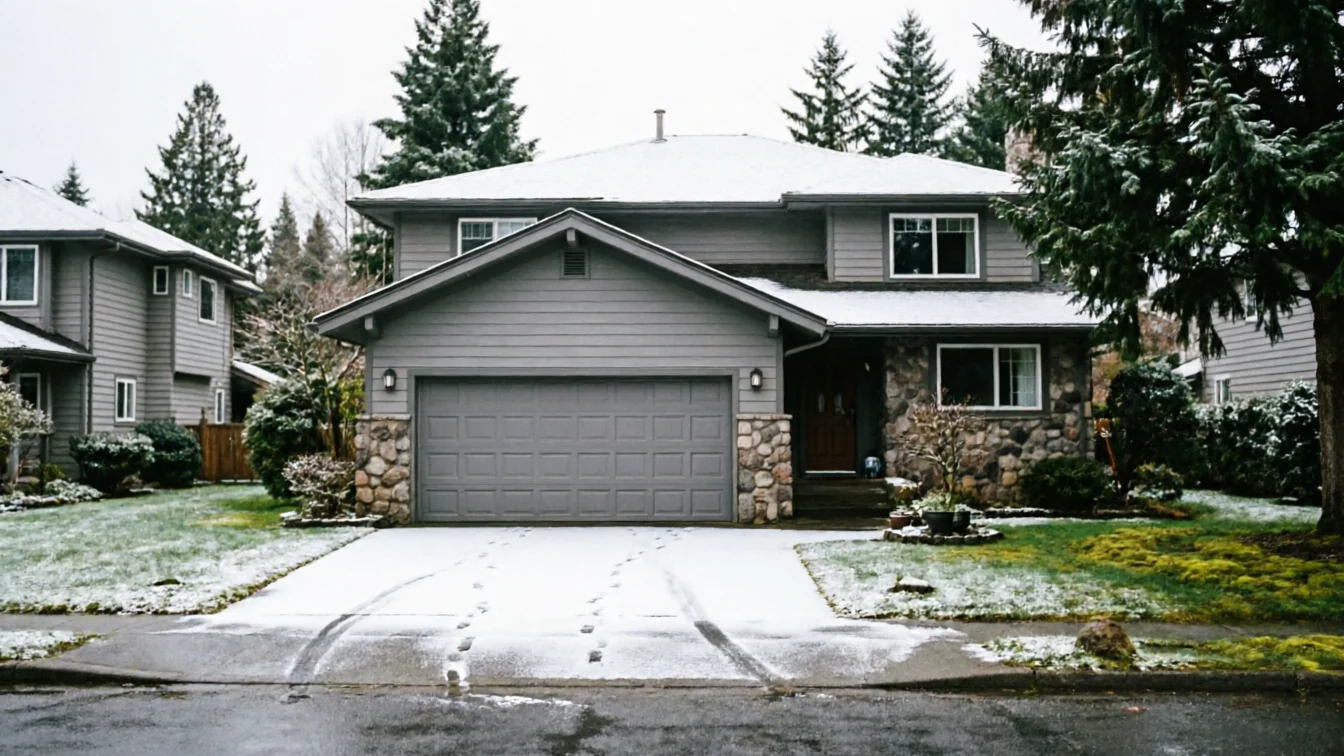
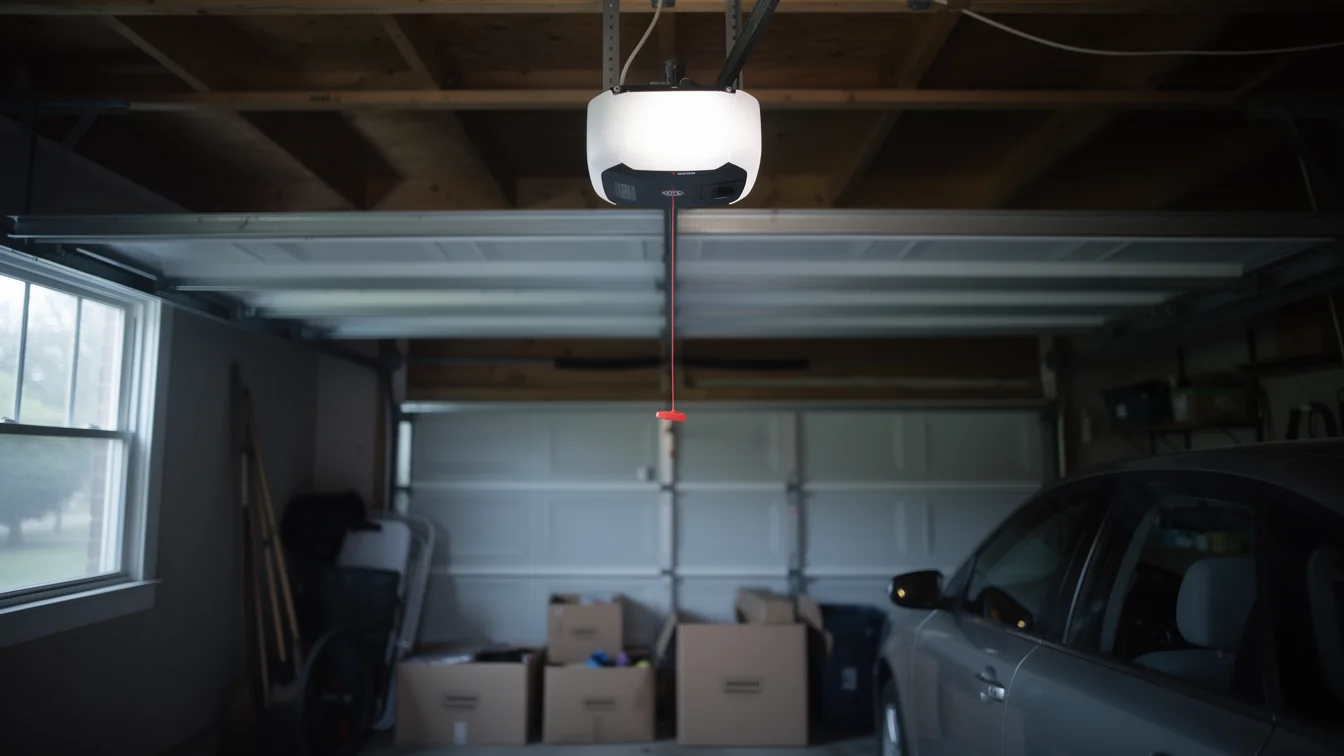
Houses here went up mostly between 1964 and 2006, with the typical build year sitting around 1984, so a lot of openers still running are chain-drive units from the 80s and 90s with no battery backup at all. Those owners find out the opener had zero backup the moment the lights go out, usually at the worst time - leaving for work, or trying to get the car in before a storm. The mistake isn't forgetting the cord exists. It's assuming an opener installed decades ago behaves like the battery-backup models sold today.
The area
The Situation
Beaverton sits in a mild climate band with only occasional freeze, so power interruptions here tend to come from a wind gust knocking out a line or an icy morning rather than a sustained winter storm. That's good news in one sense - outages are usually short. But it means most homeowners never think about backup power for the garage door until the one time it matters, and by then the manual release is the only option on the table.
With 82,681 owner-occupied houses across this service area, a lot of them are sitting on openers installed before battery backup was standard equipment. An opener from the 1980s or 90s wasn't built with a battery compartment at all - there's nothing to charge, nothing to fail over to. When the power comes back, these units generally just start working again on their own. The problem is only ever in the gap, and that gap is where people force doors, strip gears, or wrench a cable trying to get the car out.
What we find
When It Stops Being a DIY Job
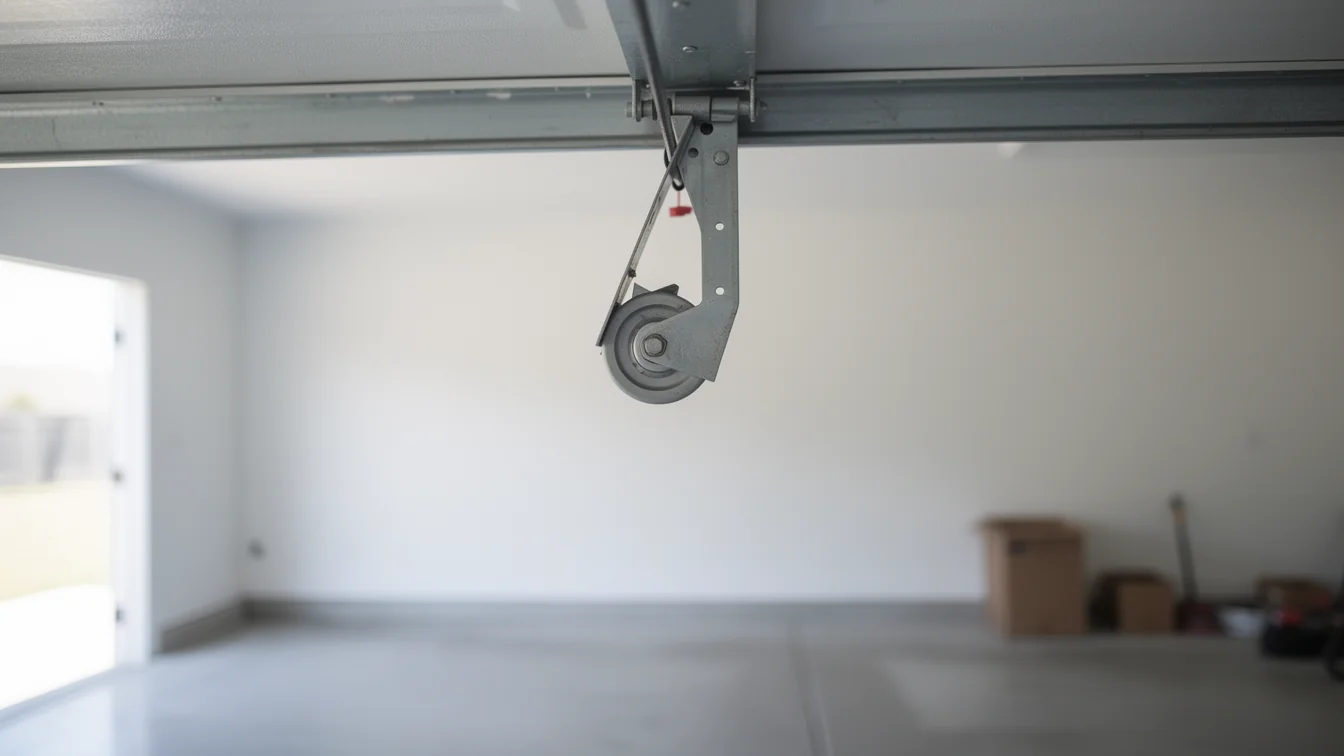
Pulling the release cord and lifting the door by hand is fine for one trip in and out during an outage. It stops being a reasonable DIY move the moment the door doesn't want to lift evenly, drags on one side, or drops faster than you can control it. That's not an opener problem anymore - that's a spring or cable problem, and a door held up only by a weakened spring can come down hard and fast once you've taken the opener out of the equation.
At a median household income of $103,069, most owners here can afford a battery-backup opener upgrade, but plenty still run the original unit that came with the house, and that's a perfectly fine choice until the opener itself needs replacing anyway. We won't tell you to replace a working opener just because it lacks a battery. We will tell you to stop forcing a door that doesn't lift smooth and even by hand - that's a call, not a weekend project.
How we work
What Local Conditions Do
In neighborhoods like Cedar Hills, West Slope, and Garden Home-Whitford, you'll find the same era of tract housing, which means the same era of opener hardware aging out at roughly the same pace. Mild weather doesn't stress these systems the way a harder freeze-thaw climate would, but it also means nobody's opener failure is weather-driven drama - it's just age, catching up on a schedule set back in the 1980s and 90s when most of this stock went in.
We don't stock every opener model or circuit board on the truck, since the older chain-drive units from this era vary more than current opener lines do. If your opener needs a part specific to its age, that sometimes means a short wait rather than a same-visit fix. What we can usually tell you on the spot is whether the outage exposed an opener that was already near the end of its working life, or just did what every opener without backup does when the power goes out.
Talk to a local pro
Garage door trouble in Beaverton?
Same-day service with honest, upfront quotes.