Local detail
Where People Go Wrong
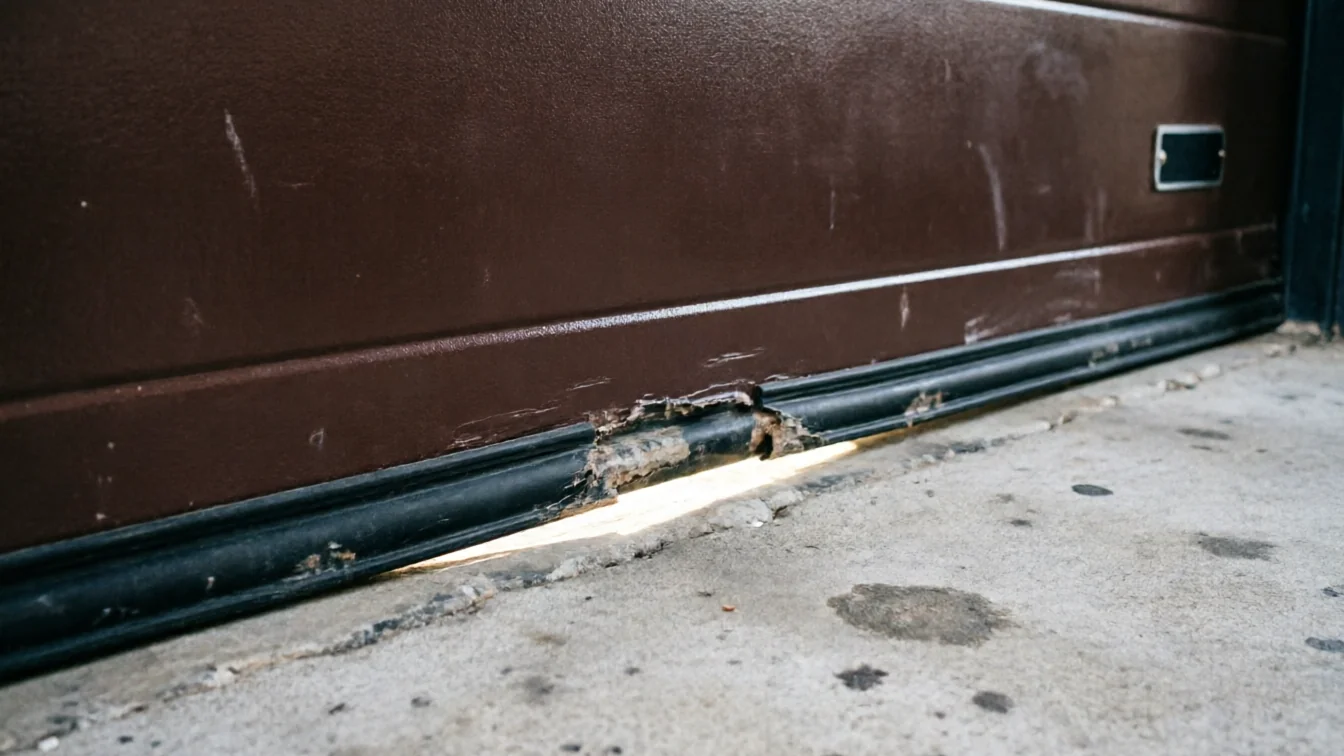
The usual move is a tube of foam strip from the hardware aisle, pressed along the bottom of the door and called done. That works for a season on a newer door with square framing. It doesn't work on most of what's standing in Beaverton, where houses went up between 1964 and 2006 with a median build year of 1984. A door that age has jamb lumber that's shifted, settled, or been re-shimmed once already, and the gap you're feeling isn't always at the bottom edge. It's at the top corner where the track bracket pulled a hair loose, or along one side where the framing bowed slightly over forty-plus years. Slapping a new bottom seal on a door with a crooked jamb buys you a few weeks of quiet before the draught finds a new path around it. The other mistake is assuming a draught is a seal problem at all. Sometimes it's a door panel that's never been square since the day it was hung, and no amount of weatherstrip fixes geometry. Before buying a seal kit, it's worth running a hand along the whole perimeter on a windy day and finding where the air is actually moving, not just where you expect it to be.
The area
The Situation
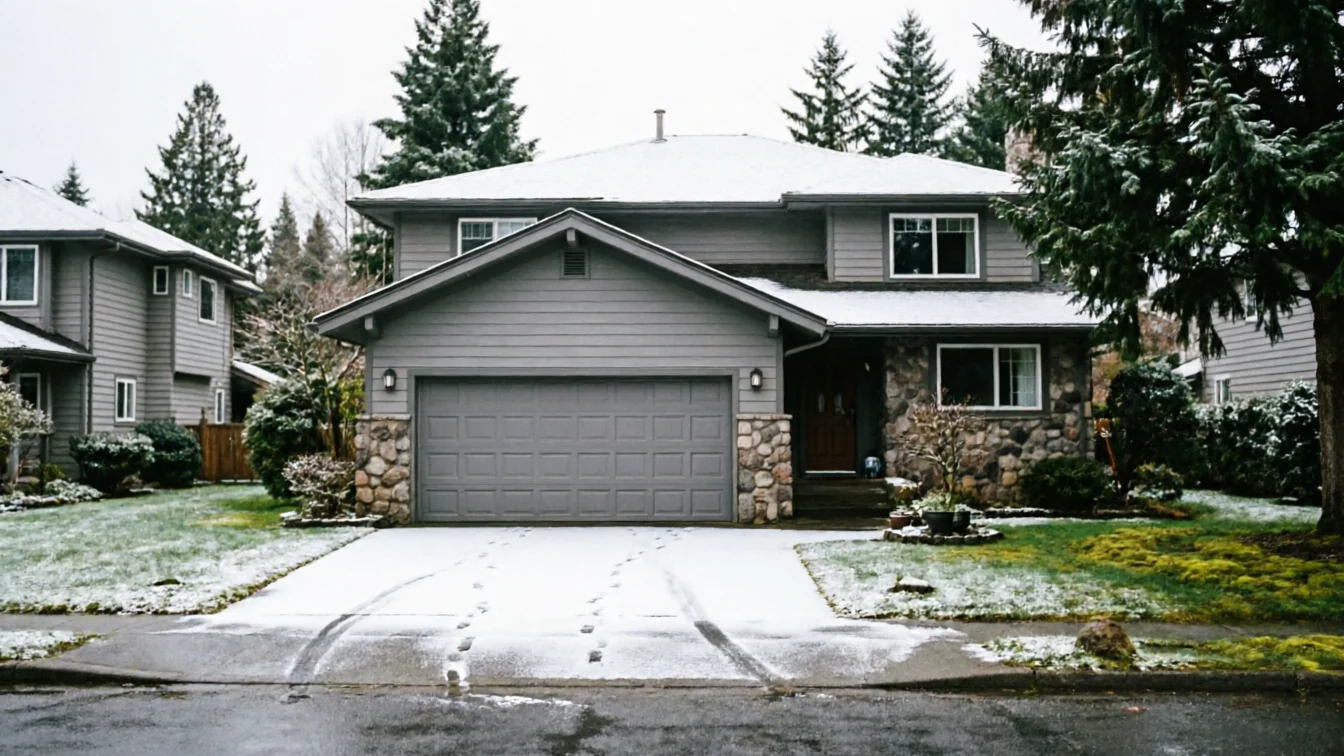
Beaverton's housing stock skews toward the 1980s and 90s across most of its named areas, from Cedar Hills and West Slope a couple of miles out to Cedar Mill and Bridlemile a few miles north and east. Garage doors from that era were built to a lower insulation standard than what's sold today, and the weatherstrip channels on a lot of them were never designed for the foam-core doors that replaced them later. Across the wider service area there are roughly 173,566 households, with about 82,681 of those owning rather than renting, and a big share of the owner-occupied homes sit right in that 1964-2006 window. The median household income across the area, just over $103,000, means most owners here aren't stretching to cover a seal job, but plenty still put it off because the draught feels minor until the first cold stretch. The climate here is mild with occasional freeze, not the deep-freeze cycling that destroys rubber fast, so a seal failure in Beaverton is usually slow: the material hardens and loses its give over a decade or two rather than splitting in one hard winter.
What we find
When It Stops Being a DIY Job
A strip seal swap is a reasonable weekend job if the door is square and the track is straight. It stops being that job the moment the gap is uneven from one side to the other, because that's a sign the door itself has racked, or the track has pulled away from the jamb. At that point a new seal just sits against a moving target. It's also not a seal problem if the draught comes with a grinding or binding sound when the door runs, which usually means a roller or hinge issue dragging the panel out of alignment. I'll be straight about the limit here: if the door needs the track reset or a panel replaced to actually seal flush, that's not a caulk-and-strip afternoon, and trying to force a seal to compensate for bad alignment just means doing it again next year. Worth saying too that on an older door nearing the end of its spring life, sometimes the honest call is to replace the whole unit with current weatherstrip channels built in, rather than keep patching a forty-year-old frame that was never going to seal tight again no matter what strip you use.
How we work
What Local Conditions Do
Mild weather with occasional freeze is easier on rubber than a true winter climate, but it isn't nothing. The swing between damp mild stretches and the occasional hard frost night is what cracks old vinyl and rubber seals here rather than wearing them down evenly - the material stays soft most of the year, then goes brittle for a night or two and loses a bit of flex it never gets back. On a door from the 1980s or 90s, that cycle has had three or four decades to do its work on the original weatherstrip channel, even if the rubber itself was replaced once along the way. The dampness side of it matters more than people expect: a bottom seal that's lost its shape doesn't just let in cold air, it lets in enough moisture over a wet season to start softening the bottom edge of a wood panel door, which is a slower and more expensive problem than the draught itself. None of this means Beaverton needs anything exotic. It means matching the seal channel to the actual age of the door instead of a generic kit, and checking the bottom panel edge for moisture damage while you're down there anyway.
Talk to a local pro
Garage door trouble in Beaverton?
Same-day service with honest, upfront quotes.