Local detail
Where People Go Wrong
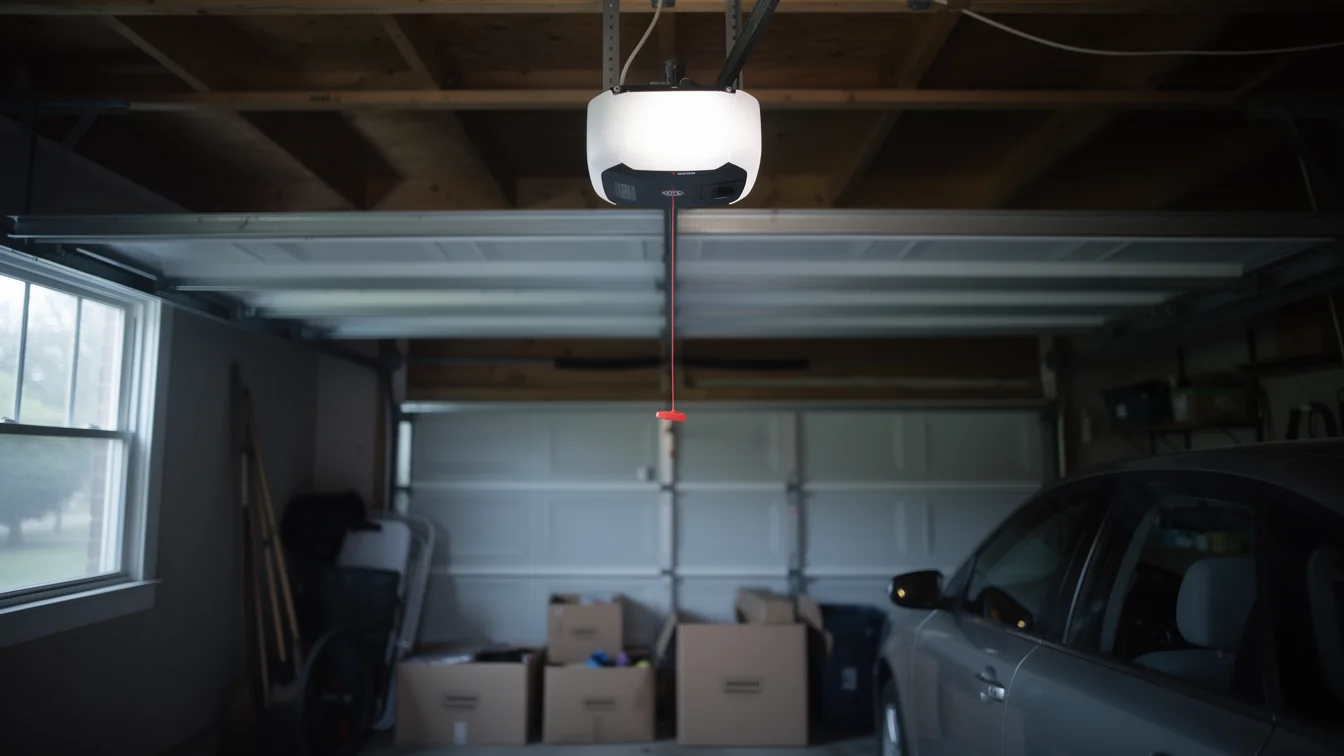
Most calls start with someone expecting a flat rate quote over the phone, and that's where the trouble begins. Beaverton's housing stock runs from 1964 up through 2006, with the median build year sitting at 1984, and the 32 named areas across this service zone don't share one door type or one era of hardware. A house in a pocket built in the late 1960s might still carry its original one-piece door on side-mounted hardware, while a place finished in the late 1990s has an extension-spring sectional door with a completely different parts list. Quoting blind on either one is guessing. A tech has to open the panel, look at the spring winding, check the track gauge, and confirm what's actually bolted to the house before any number means anything. The other mistake is assuming a noisy door and a dead opener are the same visit. They're not - one's a mechanical problem on the door itself, the other's electrical, and a service call that covers both takes longer and costs more than either alone. Knowing which one you have before the truck shows up saves everyone time.
The area
The Situation
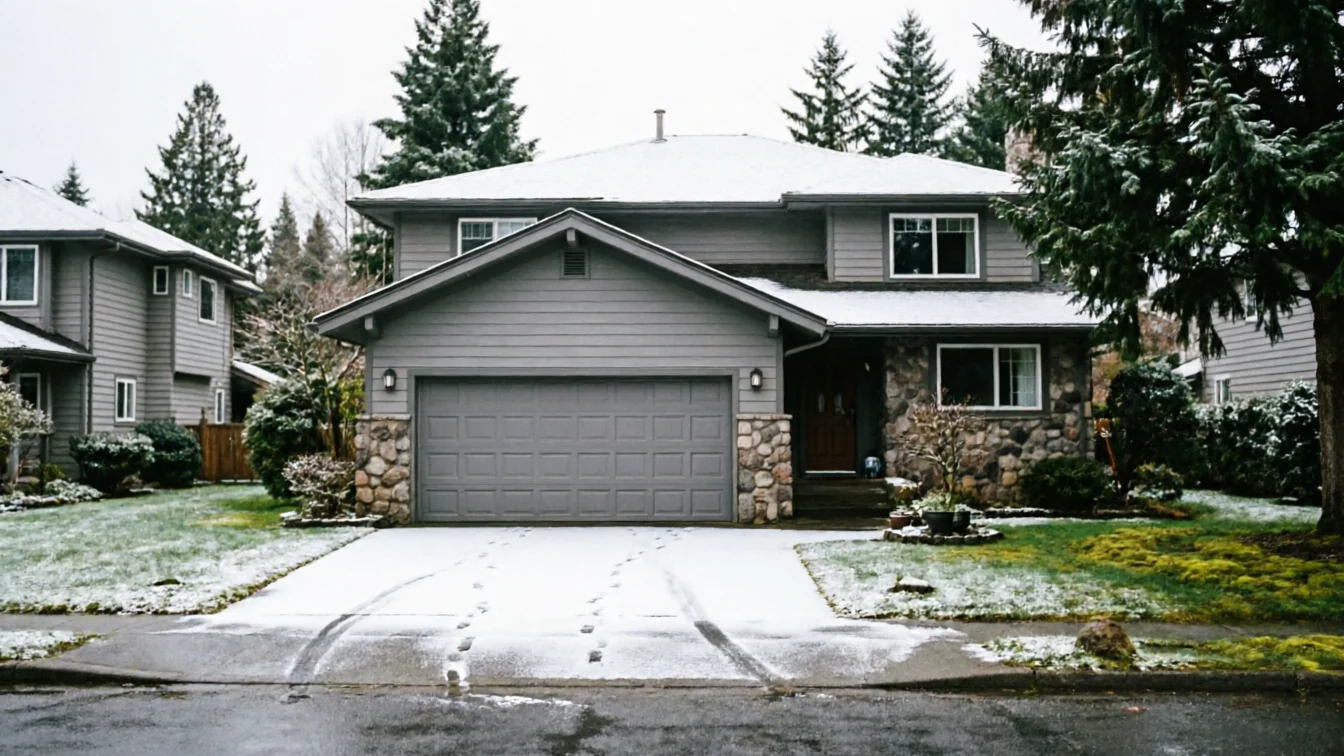
The service area runs about 173,566 households, with 82,681 of those owner-occupied, and a median household income of $103,069. That's a lot of houses built across four decades of changing code and changing door technology, spread over named pockets from Cedar Hills and West Slope a couple miles out to Sherwood and Newberg well beyond that. A service call in this area isn't walking into one standard setup - it's walking into whatever that decade's builder specified, which means the tech brings a range of spring sizes, cable gauges, and roller types rather than one standard kit. The climate here sits in a mild band with occasional freeze, not the extreme heat or hard winter that forces certain repairs elsewhere. That matters for what actually breaks: it's less about cracked panels from heat expansion and more about moisture working into cables and hardware over years of damp mild weather with the odd cold snap. A call here is less urgent-emergency and more wear-and-cycle-count, which changes what the visit is built to find.
What we find
When It Stops Being a DIY Job
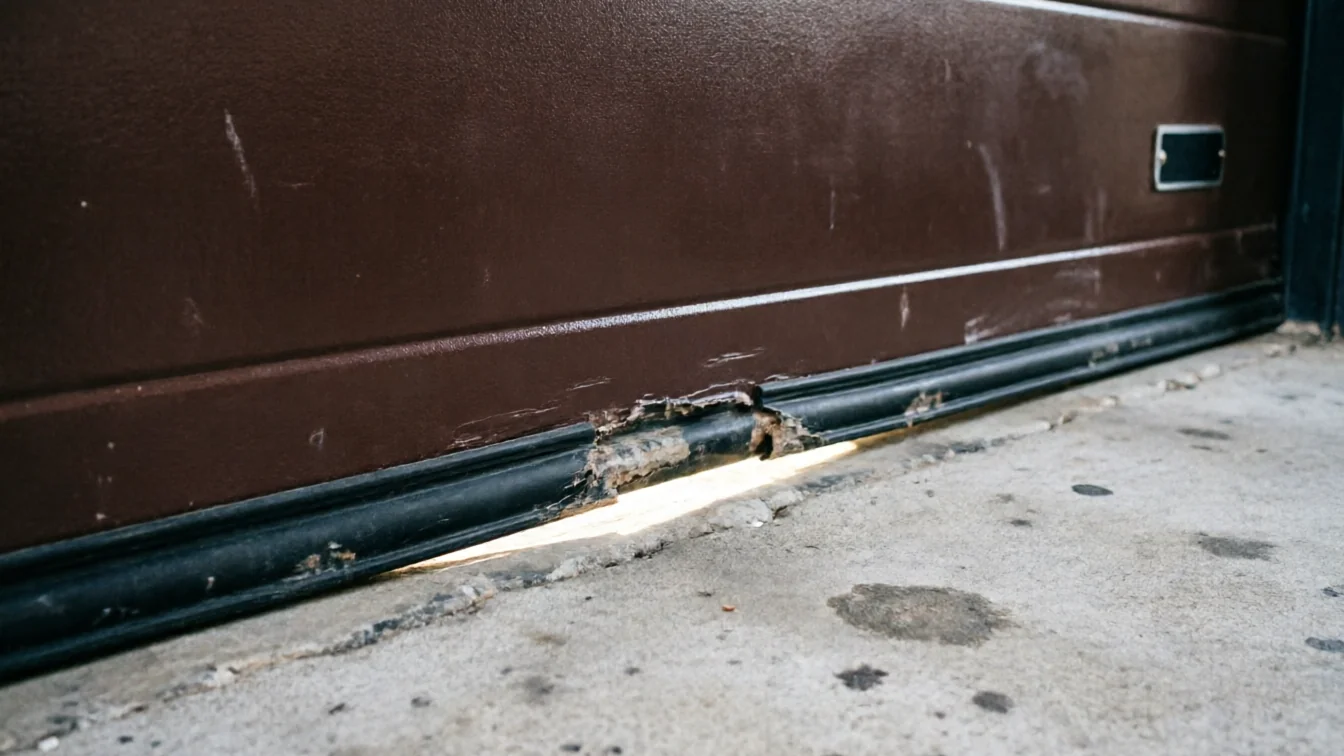
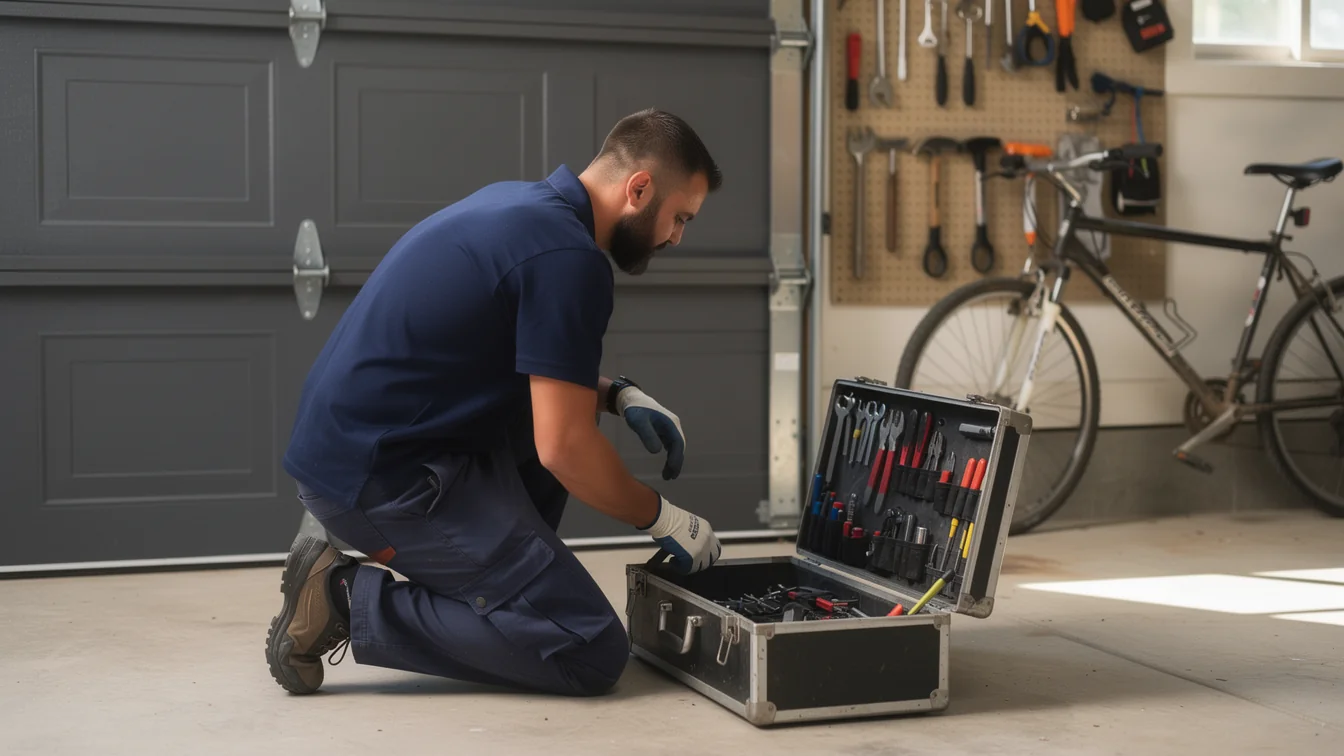
A torsion spring under tension is not a weekend project, full stop - that's true everywhere, this isn't a local claim. What is local is what you're likely to find once the cover panel comes off a door built somewhere in that 1964-2006 range: on older houses in this area, side-mounted torsion springs and single-wall track are still common, and parts for that setup aren't sitting on a shelf at the big box store the way current double-track hardware is. If you pull a cable off a spool to look at it and the drum underneath has a chunk missing, stop. If an extension spring has lost its safety cable, stop. If the opener runs but the door doesn't move evenly on both sides, that's a cable or a track problem, not a settings problem. We'll tell you straight when a job is a twenty-minute roller swap versus when it's a full torsion spring replacement that needs two people and a winding bar - and we'll tell you when a repair isn't worth it against a door that's simply reached the end of its run.
How we work
What Local Conditions Do
A mild climate with occasional freeze doesn't shred a door the way a hard freeze-thaw cycle does, but it's not nothing either. Moisture sits in this area more than heat does, and over the kind of time spans we're talking about - houses from the mid-1960s through the mid-2000s - that moisture works into unlubricated hinges, into cable ends, into the bearing plates on older torsion setups. The occasional freeze, even a light one, is enough to stiffen grease that hasn't been serviced in years and make a spring that was already fatigued finally let go on a cold morning. None of this is dramatic weather damage - it's slow wear that shows up as a specific symptom: a door that's sluggish in the morning and fine by afternoon, or a spring that finally snaps on the one or two actually cold days a year. A service call in this area is built around finding that slow wear before it becomes a stuck door, not reacting to storm damage, because storm damage isn't really the pattern here.
Talk to a local pro
Garage door trouble in Beaverton?
Same-day service with honest, upfront quotes.