
Beaverton, OR
Garage Door Service for Beaverton's 1980s and 90s Housing Stock
Beaverton homes built mostly between 1964 and 2006 are hitting the age where original springs and openers wear out. Here's what that looks like and what a service call covers.
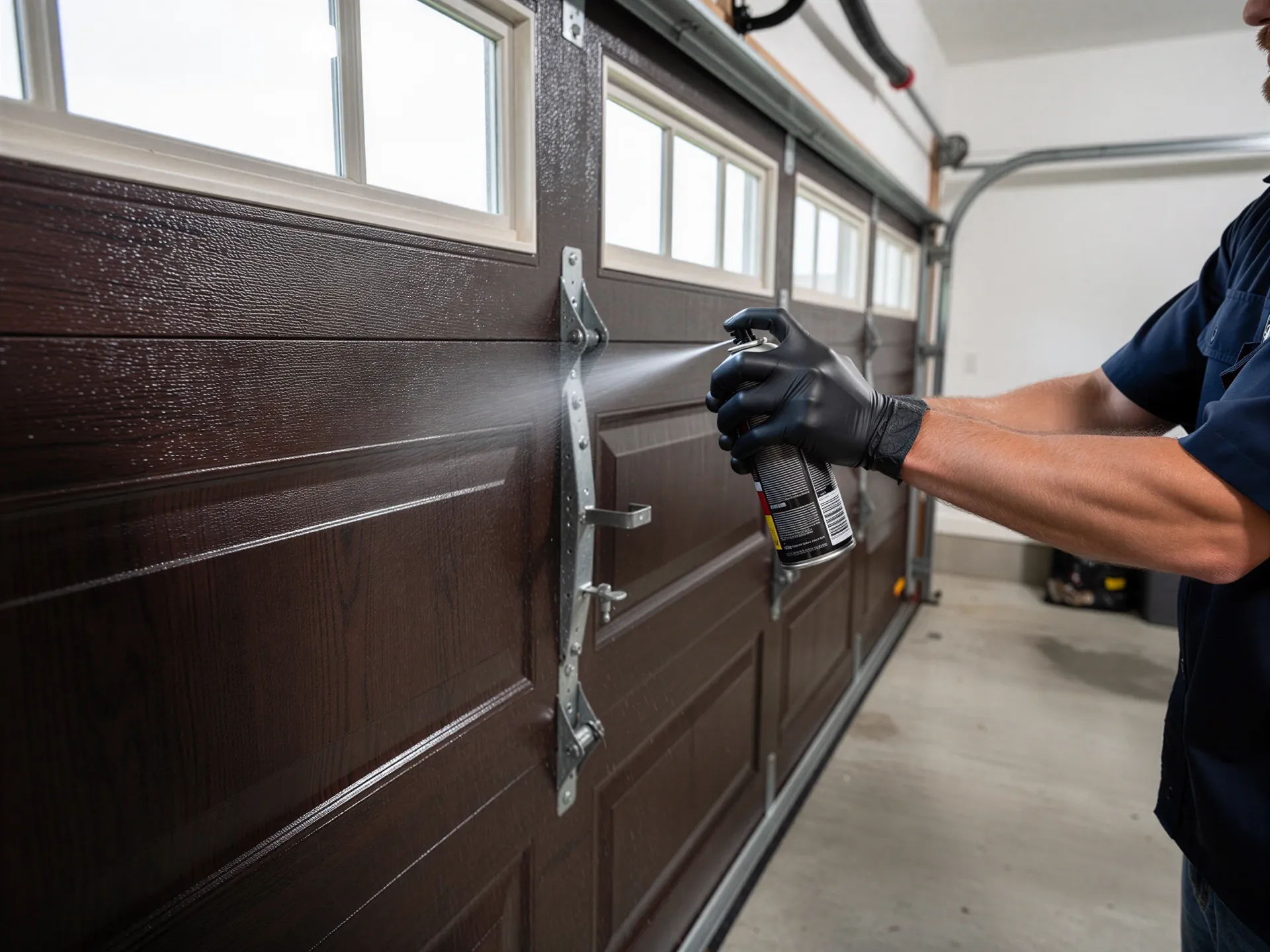
Popular Services
Time on the Job
Most garage doors in this area were installed when the house was built, and across Beaverton that means a door going up somewhere between 1964 and 2006, with the median right around 1984.
Cycle-rated spring wear
A torsion spring is rated for a set number of open-close cycles, not years, but an average household runs that door four to six times a day, every day, for decades. Do the math on a 1984 install and you land on a spring that's been through its rated life twice over.
Older opener electronics
Openers are a little different - the chain drives and screw drives from that era simply wear mechanically, gears strip, and circuit boards from the 80s and 90s don't have the surge protection modern units carry.
Hardware past original life
If your house falls in that build window, which covers most of Cedar Hills, West Slope, Central Beaverton, and the neighborhoods in between, the door hardware is not original-owner's-manual new anymore, even if nobody's touched it. Service at this point isn't about something broken overnight - it's about equipment that's simply logged more hours than it was built for.
What Causes It Around Here
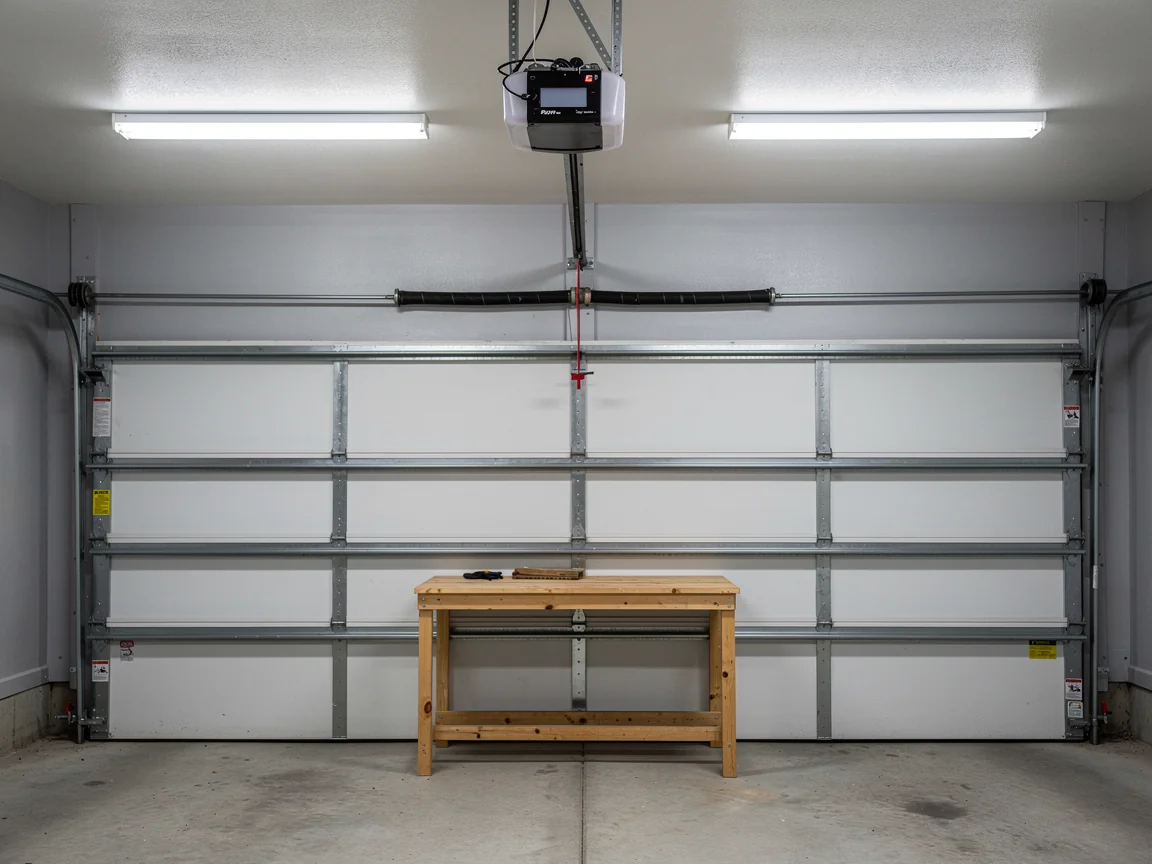
Two things stack on top of each other in this area. First, the building stock itself: a lot of Beaverton's 1980s and 90s tract construction used builder-grade torsion springs and basic chain-drive openers, not the heavier-duty hardware you'd spec for a replacement today. Second, the climate here sits in a mild band with occasional freeze - not the hard winters that crack concrete, but enough cold snaps each year to thicken old grease on tracks and rollers and make nylon rollers brittle at the edges. That combination - aging builder-grade parts plus a yearly freeze cycle or two - is what pushes a spring or roller from "worn" to "failed" rather than just "old." It's not dramatic weather causing dramatic damage; it's ordinary cold making already-tired parts give out a little sooner than they would in a warmer climate.
How It Shows Up
The most common call we get from houses in this build range starts the same way: the door gets noticeably slower, or it starts closing crooked - one side dropping before the other.
Uneven spring tension
That's usually a spring losing tension unevenly, especially on a double-wide door where one spring is doing more work than it should. Next is noise: a grinding or popping sound as the opener strains against resistance it didn't used to have.
Longer opener run times
Some owners notice the opener motor running longer than it used to, or the door reversing partway up for no clear reason, which usually points to a sensor or track alignment issue rather than the spring itself.
Early warning signs
None of these are emergencies the first time they happen. They're warnings that something built in the 80s or 90s is near the end of its working life, not a sign the whole system needs replacing today.
What It Costs
We're not going to put a number here that doesn't hold up once we're standing in front of your actual door - a worn roller and a failed spring are two very different jobs, and so are a chain-drive opener swap and a simple cable adjustment. What we can tell you is that in a market where median household income runs just over $103,000 and most houses carry original 1980s-to-2000s hardware, we see a real mix of simple tune-ups and full spring replacements on any given week, not one dominant job. The honest answer is that cost follows what's actually failed, and on a door this age it's often more than one thing at once. A straight service call to diagnose what's going on costs less than guessing and replacing parts that didn't need it.
Questions
Common questions
My door is from the 90s and still works fine - do I need service now?
Not necessarily. A door that's quiet, balanced, and opens smoothly doesn't need work just because of its age. The build era matters more as a flag for what to watch - uneven closing, grinding noise, a slower cycle - than as a reason to replace something that's still doing its job.
Does Beaverton's weather really affect garage door springs?
The occasional freeze we get here thickens old lubricant and makes aging rollers more brittle, which speeds up wear that's already happening on original hardware from the 1980s and 90s. It's not the cause by itself, but it tips tired parts toward failure a bit sooner than milder weather would.
Do you work in Cedar Hills or West Slope, not just central Beaverton?
Yes, we cover the areas close to Beaverton including Cedar Hills, West Slope, Garden Home-Whitford, Raleigh Hills, and Metzger, along with the rest of the local service area.
Should I replace the opener or just the spring?
Depends on what's actually failing. A spring issue on an otherwise sound opener is a spring job. If the opener motor or gears are original from a 1980s or 90s install and straining, replacing just the spring buys you time but doesn't fix the underlying wear on the drive unit.
Explore more
Explore More Services In Beaverton, OR
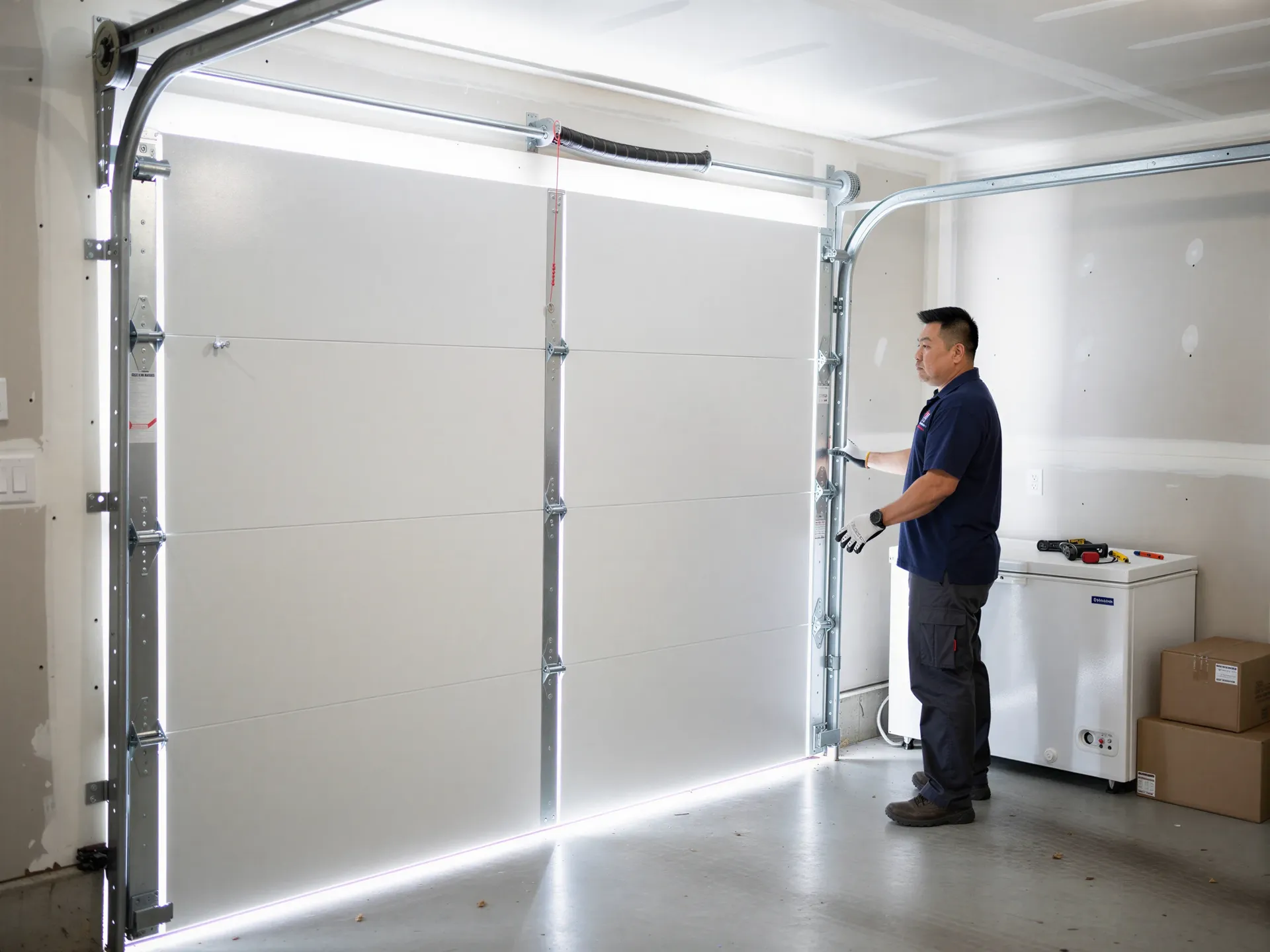
Garage Door Installation for Beaverton Homes
If your Beaverton garage door was original to a house built between 1964 and 2006, here's what installation involves, what drives cost, and what to expect. Learn more →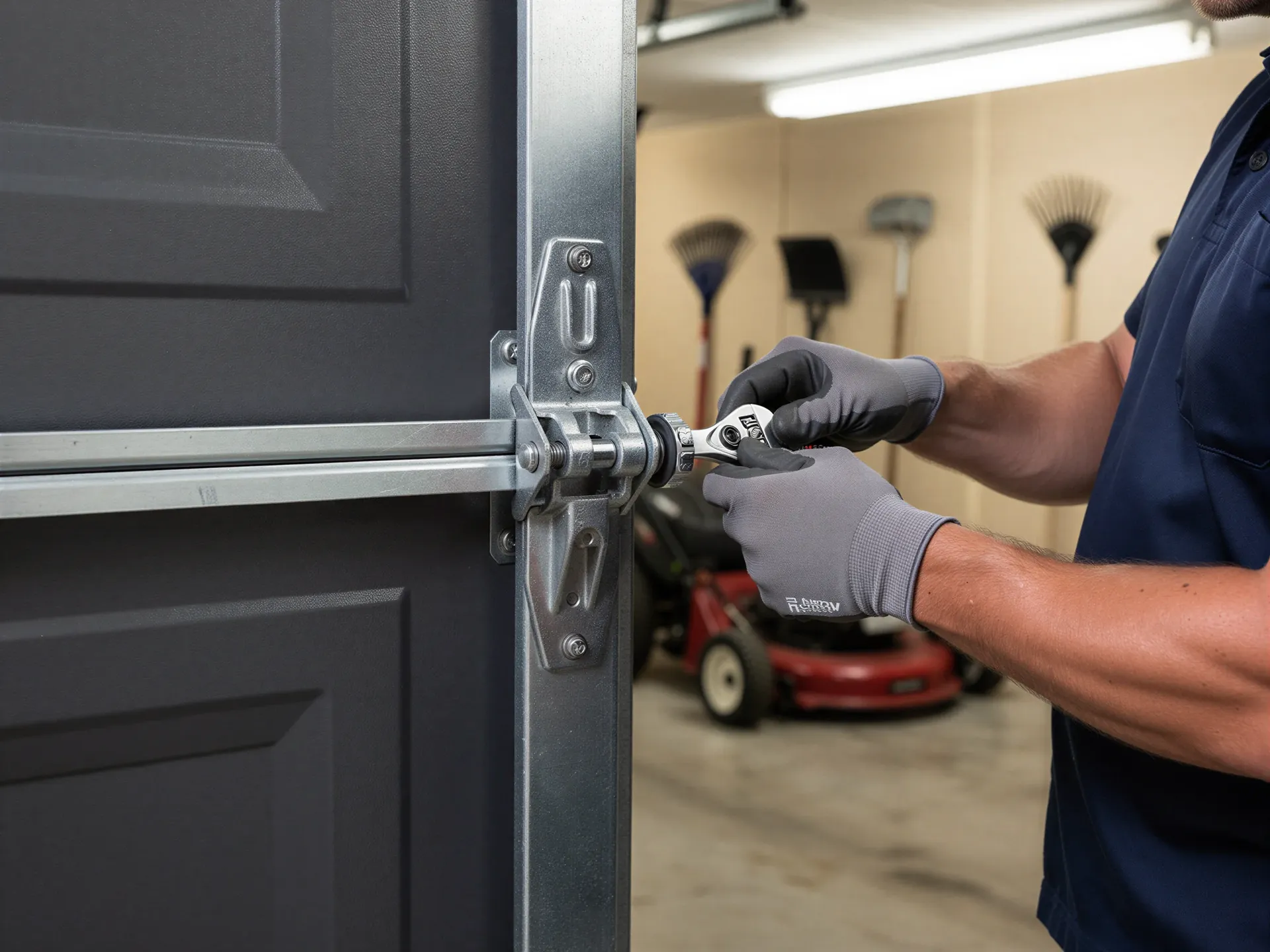
Garage Door Repair for Beaverton Homes
Garage door repair in Beaverton, OR homes built 1964-2006. Learn more →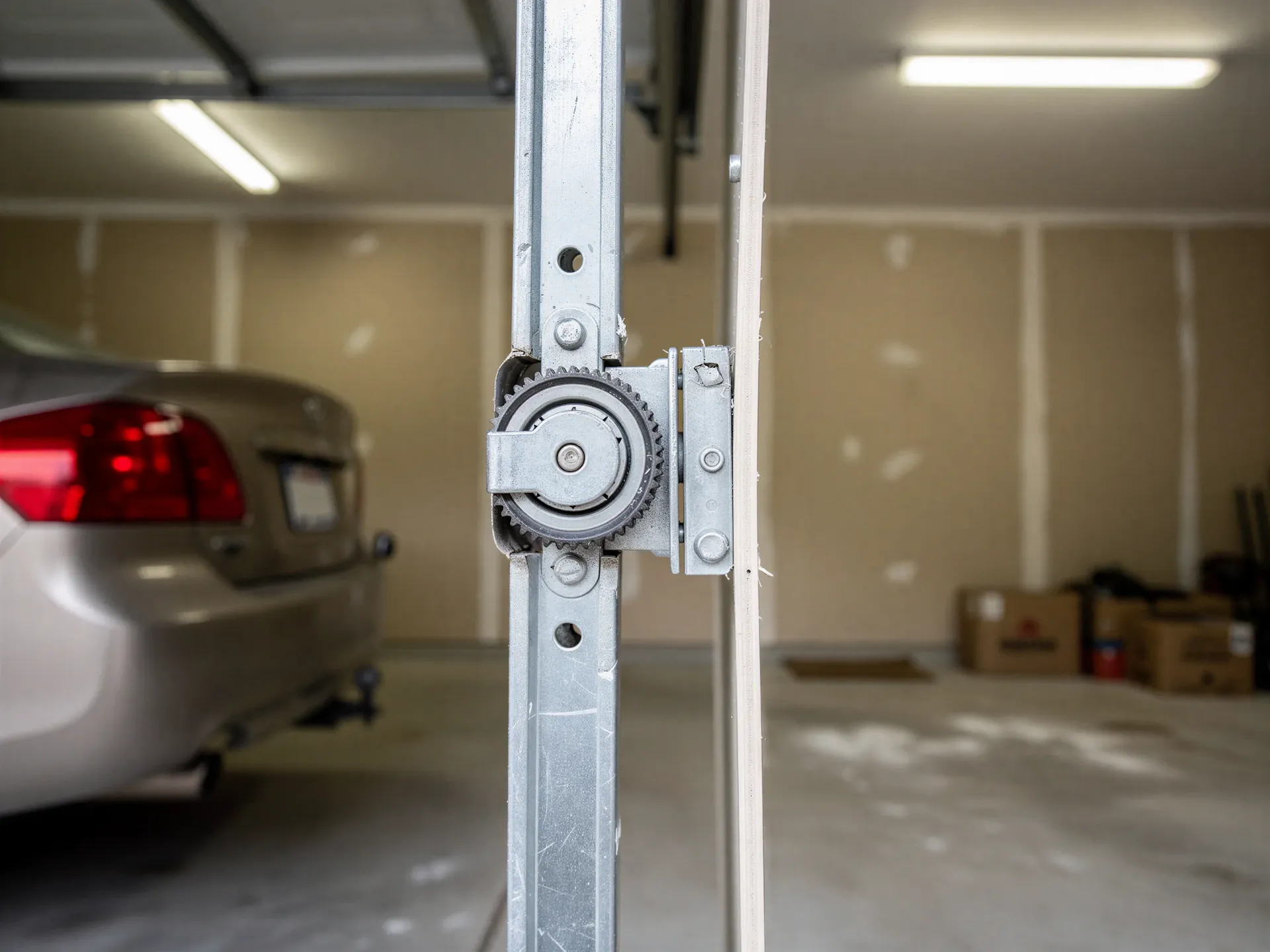
Off-Track Garage Doors in Beaverton
Garage door off-track repair in Beaverton, OR homes built 1964-2006. Learn more →
Emergency Garage Door Repair, Beaverton OR
Broken spring, stuck door, dead opener. Learn more →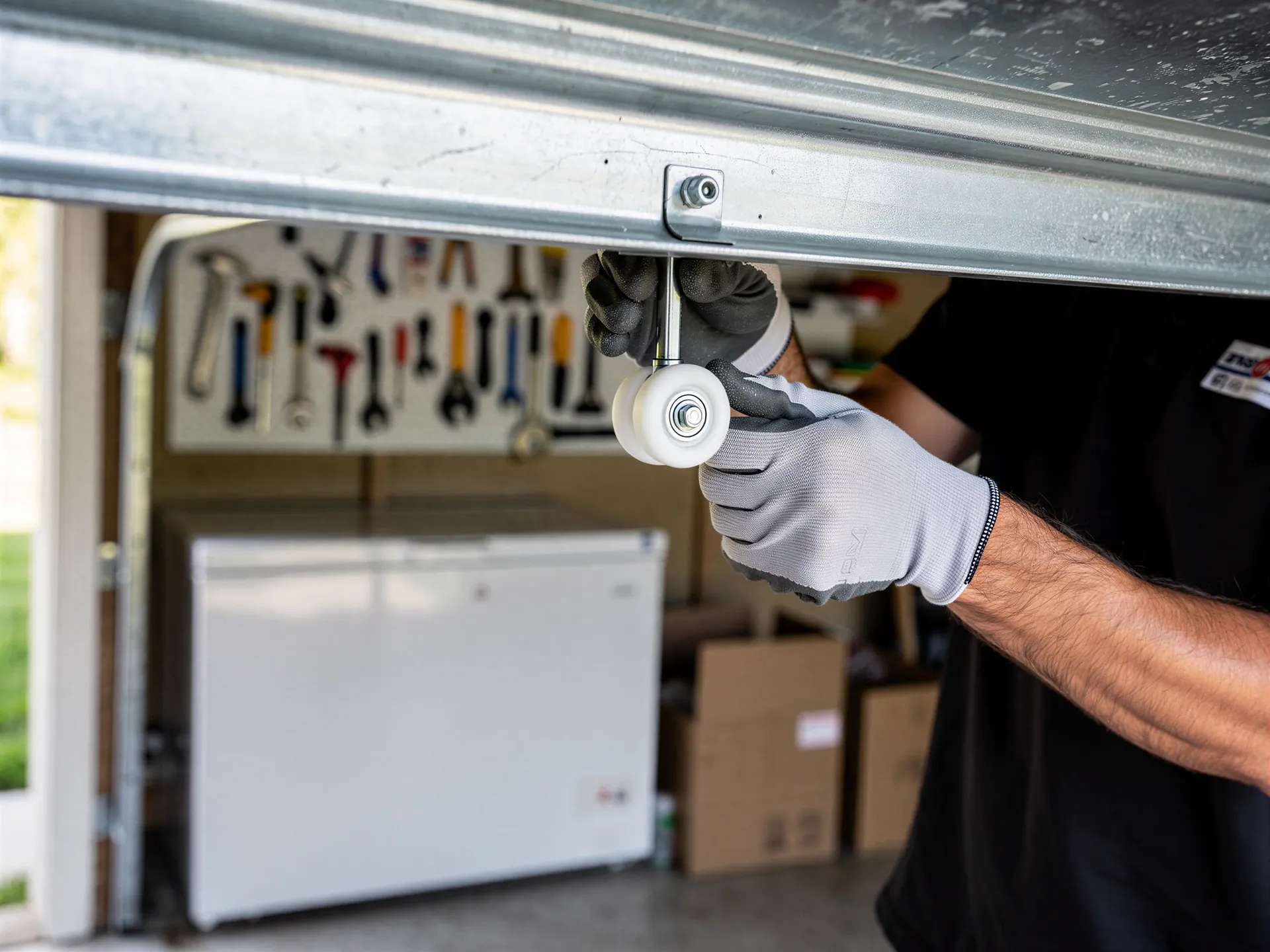
Garage Door Roller Replacement, Beaverton
Garage door repair for Beaverton, OR. Learn more →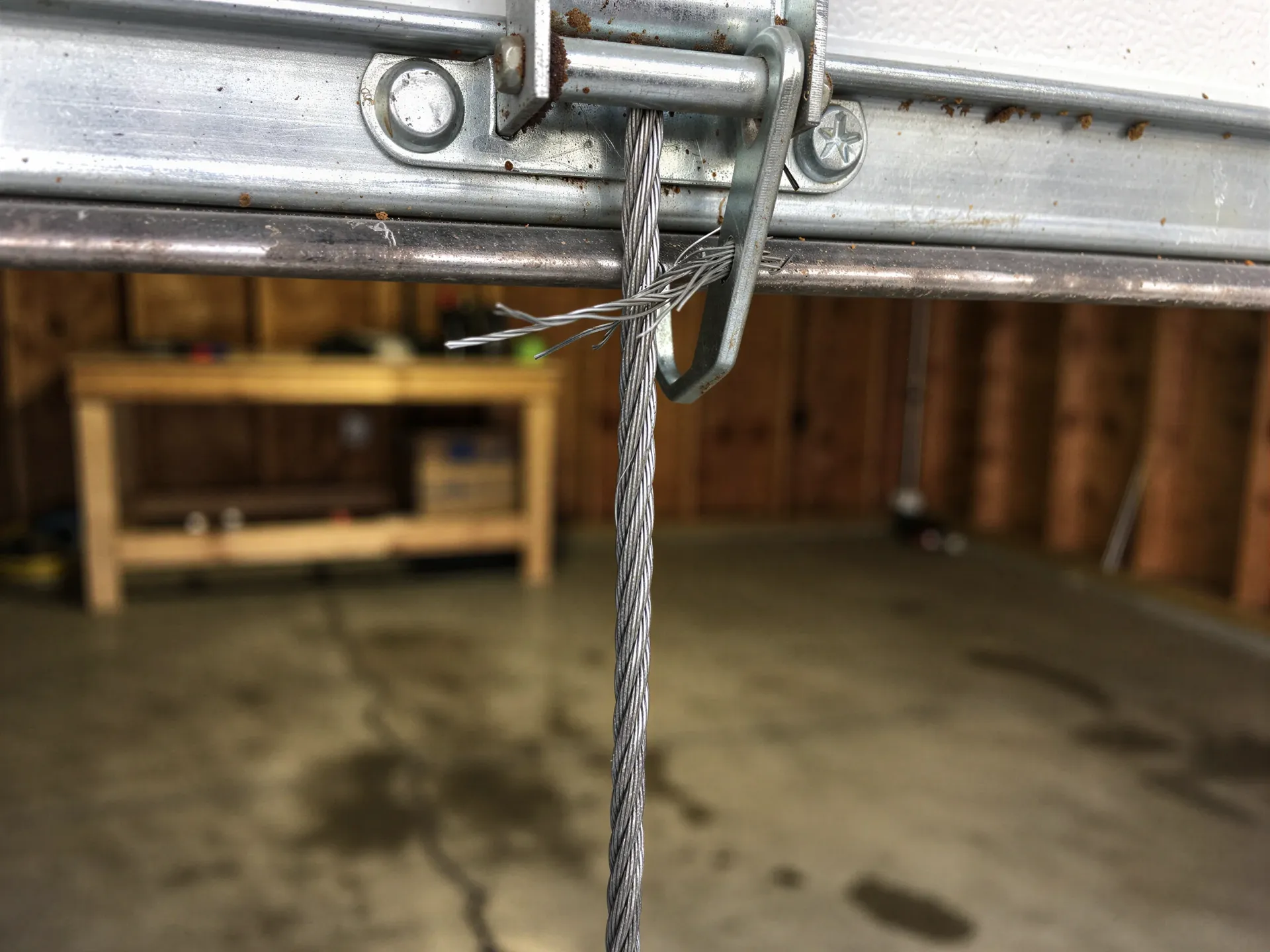
Garage Door Cable Repair in Beaverton
Garage door cable repair in Beaverton, OR homes built 1964-2006. Learn more →Ready when you are
Need garage door service in Beaverton?
Beaverton Garage Door Pros repairs and installs garage doors, springs and openers in Beaverton, OR and the surrounding area.