
Beaverton, OR
Garage Door Cable Repair in Beaverton
Frayed or snapped lift cables are common on Beaverton's 1964-2006 housing stock. Here's why it happens, how to spot it early, and what the repair involves.
Popular Services
Time on the Job
A cable repair starts the same way every time: we pull the door down by hand (carefully, because a snapped cable means the spring is still loaded) and look at both drums, both cables, and the bottom brackets where the cable clamps on.
Two-cable torsion setup
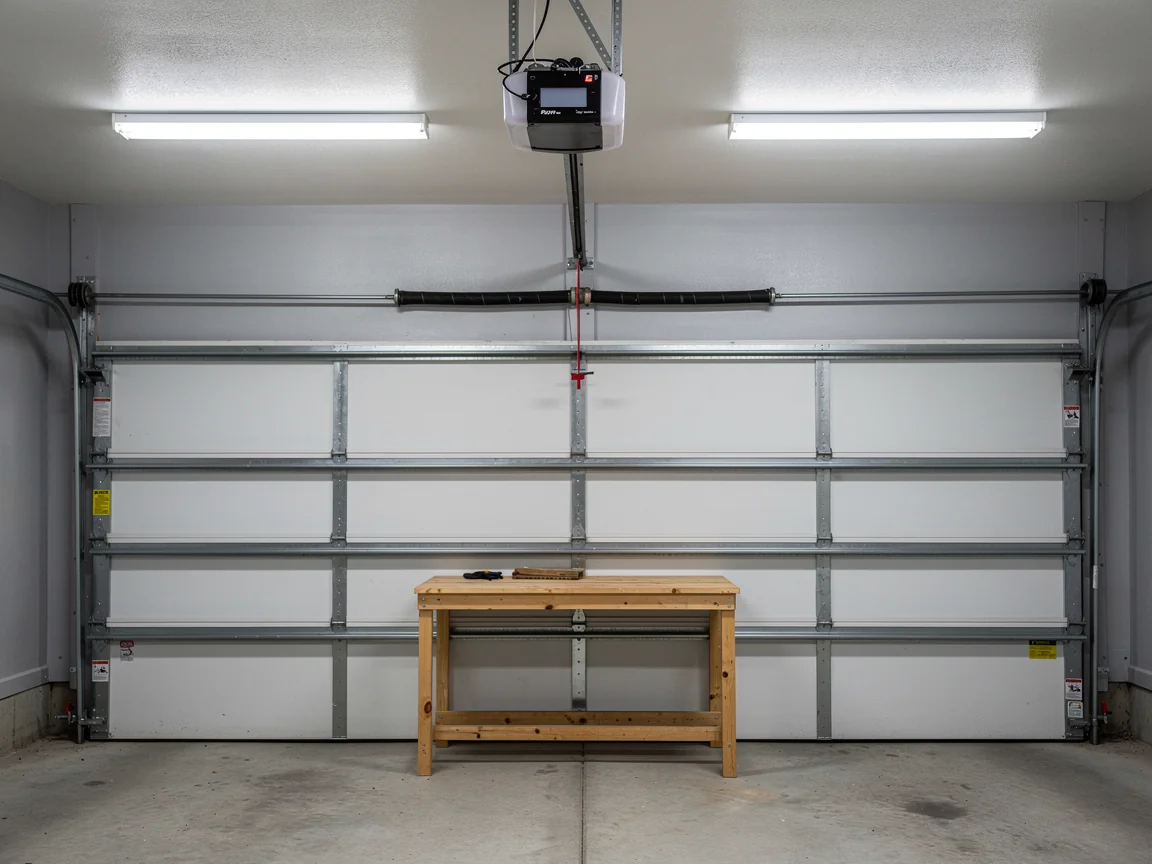
On the standard torsion setup you'll find on most Beaverton houses built between 1964 and 2006, that means two cables running from the bottom corners up to drums on each end of the torsion bar. If it's just a frayed or snapped cable, the job is straightforward: unload the spring, pull the old cable, run the new one, re-set the drum, and re-tension.
Cracked drum or bracket
Where it gets longer is when the cable broke because the drum cracked, or because a rusted-out bottom bracket let the cable slip its groove and grind through. We check for that every time, because replacing a cable and leaving a damaged drum in place just means a second call in a few weeks.
Replace the cable pair
One limitation worth saying plainly: if both cables are original to a house built in the 80s and one has already gone, we'll tell you to replace the pair instead of just the one that failed. It costs a little more up front and saves you from doing this twice in the same year.
What Causes It Around Here
Most houses on this side of the metro - Cedar Hills, West Slope, Aloha, Garden Home-Whitford, Raleigh Hills - were built between 1964 and 2006, with the typical home dating to 1984. That means a lot of original lift cable is still in service, forty-plus years on galvanized wire that was never meant to last that long.
The climate here doesn't help. Beaverton sits in a mild band that still gets occasional freezes, and that swing between damp and cold is exactly what cable doesn't like. Moisture gets into the strands at the drum end, surface rust sets in, and the cable loses the give it needs to flex around the drum thousands of times a year. A cable that's lost its flex doesn't stretch when it fails - it snaps.
Across the service area's roughly 82,681 owner-occupied houses, a large share are still running whatever cable came with the original opener installation. That's not a defect in the house; it's just cable doing cable's job for longer than anyone designed it to.
How It Shows Up
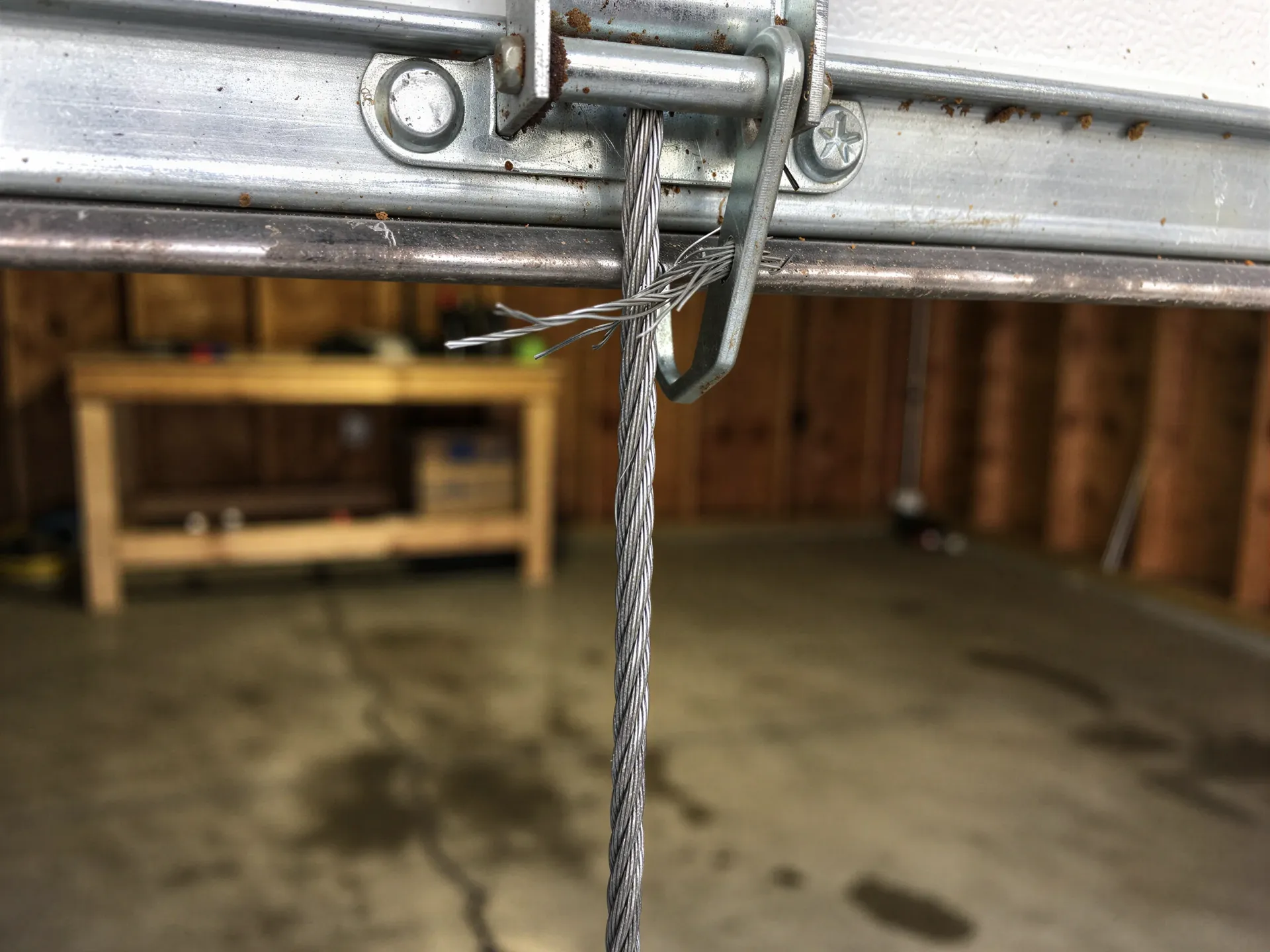
The most common way we get called out is a door that's hanging crooked - one bottom corner down, the other still up, because one cable let go and the other is holding the full weight by itself.
Frayed strands showing
Don't run the opener when you see this. It puts the whole load on one track and can bend the panel. Before a full break, you'll often see warning signs if you look: strands poking out where the cable wraps the drum, a thin groove worn into the bottom bracket, or a door that creeps slightly off-level over a few weeks.
Grinding at corners
Some owners notice a faint grinding or popping sound right at the bottom corners as the last strands start to go. Less obvious: a door that reverses or stutters partway up isn't always an opener problem.
Cable slipped off drum
Sometimes it's a cable that's slipped partially off the drum and is binding instead of running smooth. That one gets misdiagnosed as an opener issue more often than people expect.
What It Costs
We don't have a fixed number to post here, since the job depends on whether it's one cable or a pair, and whether a drum or bottom bracket also needs replacing. What we can tell you is how we price it: we look at the door in person, tell you what's actually worn versus what's still good, and quote the job before any work starts - not after.
Given the median household income across the service area runs north of $103,000, most homeowners here choose to replace both cables when one fails rather than patch the immediate problem, since the labor to get back under the door is most of the cost either way. That's a judgment call we'll walk you through, not something we push on everyone.
Questions
Common questions
Can I drive on a door with a broken cable until someone comes out?
No. With one cable broken, the full weight of the door is on the other cable and on whatever is holding the opener trolley. Running the opener or forcing the door by hand risks a bent track, a dropped panel, or the second cable letting go too. Leave it where it sits and call.
Is it normal for both cables to be original to the house?
Yes, especially in homes built in the 1980s and 90s, which cover a lot of the Beaverton area. Lift cable isn't something people think to replace until it fails, so a lot of doors here are still running what came with the original install decades ago.
Why did my cable snap instead of just fraying slowly?
Cable usually frays visibly for a while before it goes, but rust at the drum or a worn bottom bracket can hide the damage until the last strands let go all at once. The freeze-thaw swings in our mild climate speed up that rust at the drum end.
Explore more
Explore More Services In Beaverton, OR
Garage Door Installation for Beaverton Homes
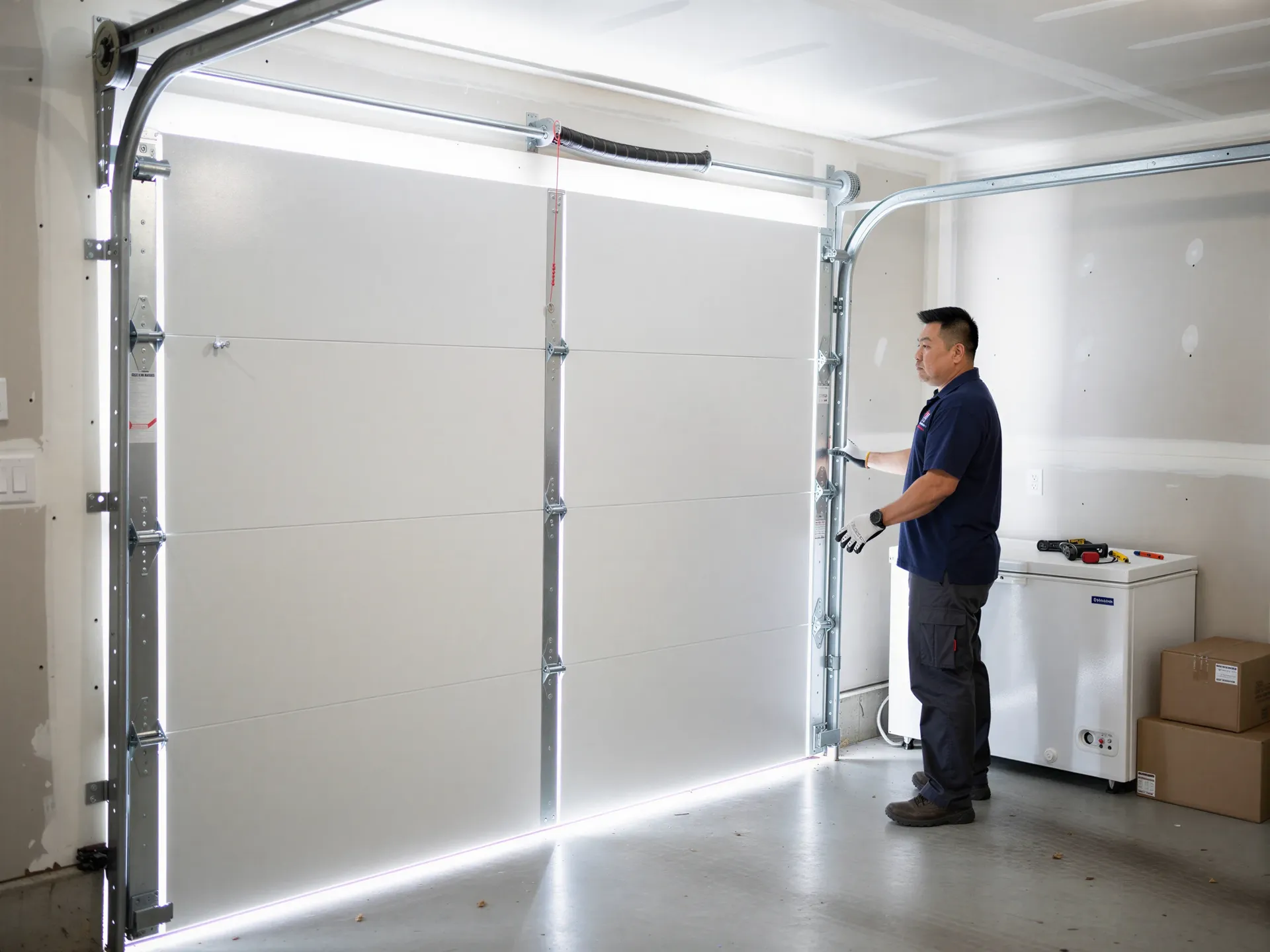
If your Beaverton garage door was original to a house built between 1964 and 2006, here's what installation involves, what drives cost, and what to expect. Learn more →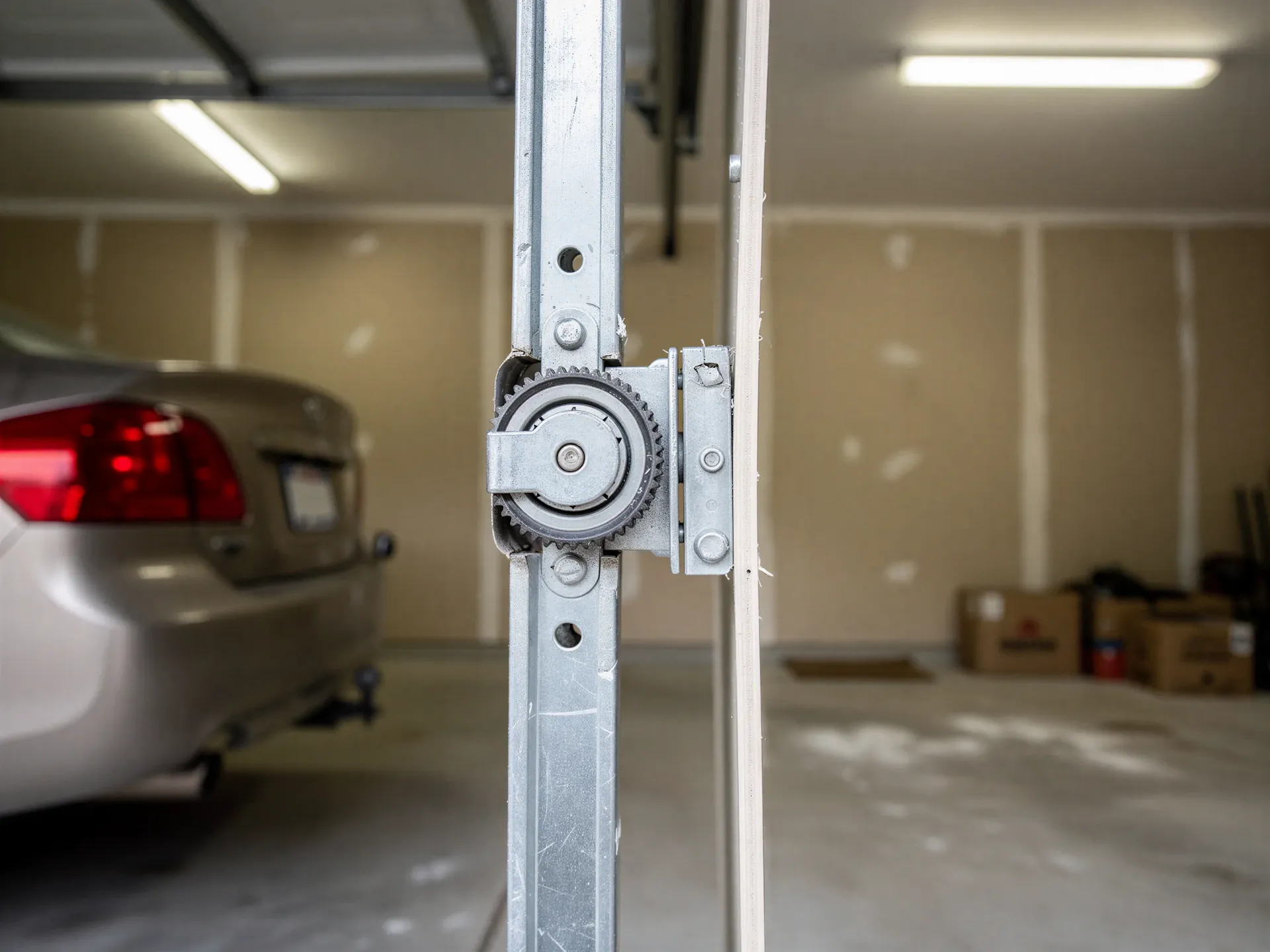
Off-Track Garage Doors in Beaverton
Garage door off-track repair in Beaverton, OR homes built 1964-2006. Learn more →
Garage Door Service for Beaverton's 1980s and 90s Housing Stock
Garage door repair for Beaverton, OR. Learn more →
Garage Door Panel Replacement for Beaverton-Area Homes
Garage door panel replacement in Beaverton, OR homes built 1964. Learn more →
Garage Door Roller Replacement, Beaverton
Garage door repair for Beaverton, OR. Learn more →
Emergency Garage Door Repair, Beaverton OR
Broken spring, stuck door, dead opener. Learn more →Ready when you are
Snapped garage door cable in Beaverton?
Beaverton Garage Door Pros repairs and installs garage doors, springs and openers in Beaverton, OR and the surrounding area.