Local detail
Where People Go Wrong
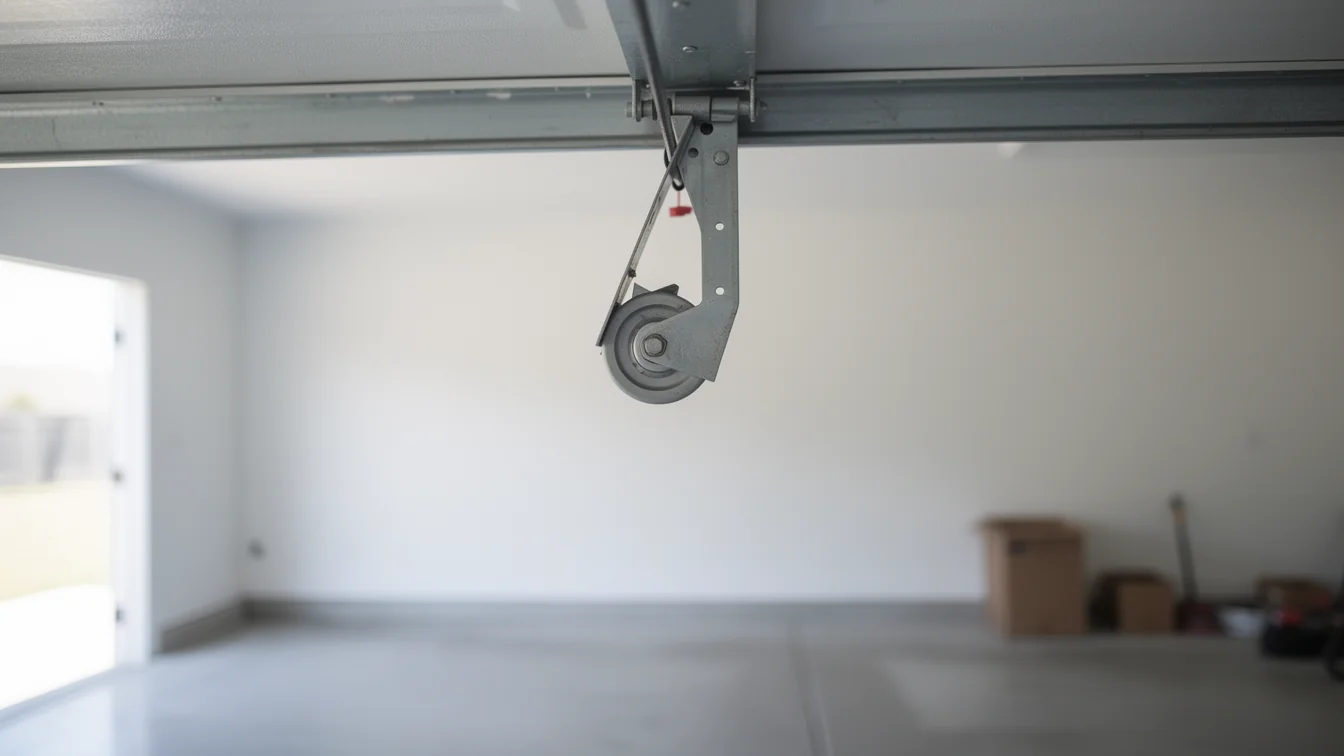
Most homeowners see a door hanging crooked in the opening and assume the track itself is bent. Sometimes it is. More often, in a Beaverton house, the track is fine and the problem is everything holding it in place - the roller brackets, the lag screws into the jamb, the hinges between panels. A lot of Beaverton housing dates to 1964 through 2006, with the typical build year sitting around 1984. That hardware has been cycling for decades, and nobody pulls the garage door roller brackets to check for wear the way they'd check a furnace filter. People grab a rubber mallet and try to knock the track back into line, which can work on a minor bow but does nothing if the real issue is a stripped bracket screw or a roller that's worn down to a nub. You end up forcing a door that's going to pop out again in a month, sometimes worse than before, because the fix never touched the part that actually failed.
The area
The Situation
Across the Beaverton area - Central Beaverton, West Beaverton, Cedar Hills, West Slope, Raleigh Hills, Cedar Mill, and the other nearby pockets - the bulk of the housing stock is 1980s and 90s construction. That means a huge share of garage doors out there are either original to the house or a one-for-one replacement installed on the original track and jamb hardware. Track hardware from that era wasn't engineered for a door getting opened and closed two or three times a day for 35-plus years. Lag screws back out of jamb wood that's dried and shrunk over time. Roller brackets develop play. None of this is dramatic - it's slow drift, a quarter-inch at a time, until one day the door catches, binds, or jumps the track on a cold morning. If your house falls in that 1980s-to-90s band, which a lot of this service area does, your door's hardware is old enough to be the actual cause, not just a bent rail.
What we find
When It Stops Being a DIY Job
Tightening a loose roller bracket or re-seating a track that's drifted an inch is reasonable to attempt yourself, and worth trying before you call anyone. Where it stops being a weekend job: if the track is bent rather than just loose, if a cable has jumped its drum, or if the door came off during operation with the opener still pulling on it. At that point you've got spring tension and a door panel working against each other, and forcing it back into the track by hand is how people get hurt or crack a panel that didn't need to be replaced. We'll say plainly that we don't recommend DIY spring work on these doors - torsion springs under tension are not a Saturday project, full stop. If the door is still movable by hand and nothing's under load, you're probably fine to look at the hardware yourself first.
How we work
What Local Conditions Do
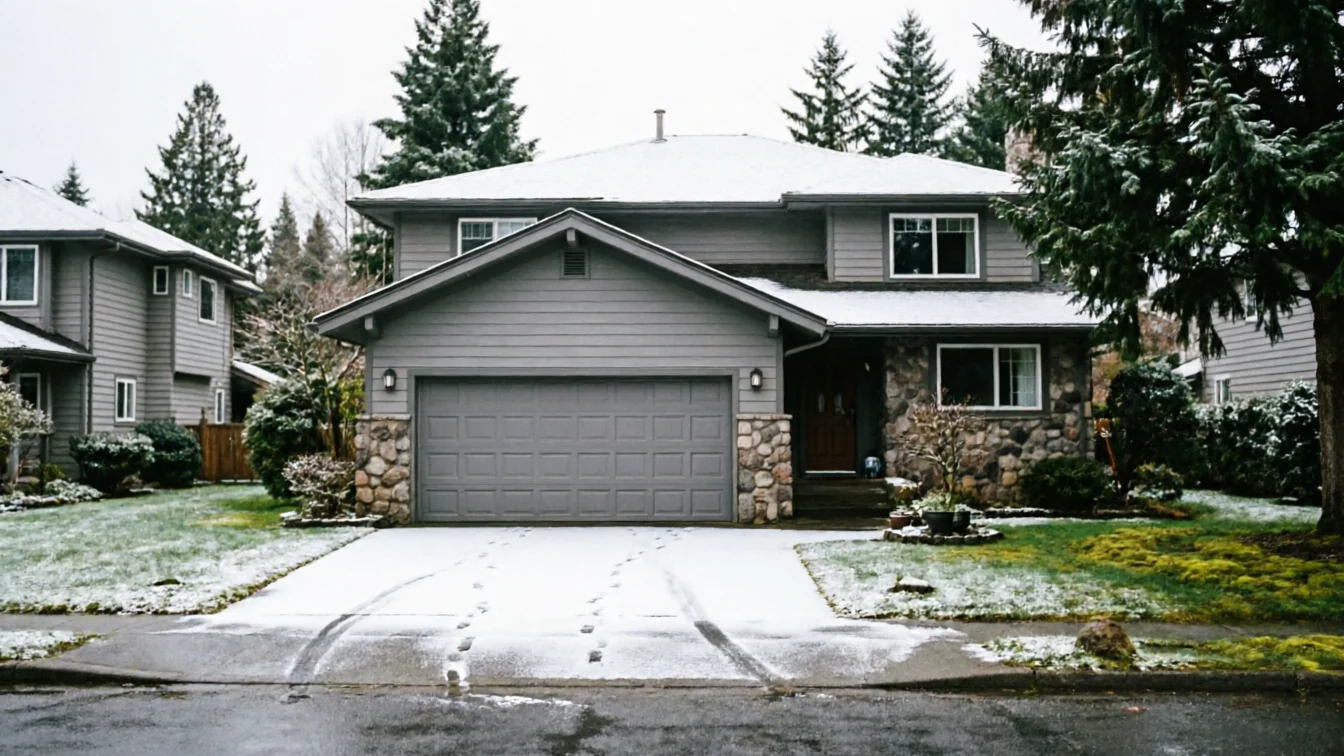
Beaverton sits in a mild climate with occasional freeze, which doesn't sound like much compared to a harsher region, but it matters for exactly the aging hardware described above. A freeze-thaw swing overnight contracts and expands wood jambs just enough to work a loose lag screw looser. Grease in old roller bearings thickens in a cold snap and gets left un-lubricated through a mild stretch, so wear accelerates quietly. None of this is a single dramatic event - it's cumulative, which is why a door that's been fine for years can suddenly start binding or jumping track after one cold week. On a house built in that 1964-2006 window, with original hardware, that seasonal flex is often the last push that turns a slightly loose bracket into a door that's actually off the rail.
Talk to a local pro
Garage door trouble in Beaverton?
Same-day service with honest, upfront quotes.