
Cedar Hills, Beaverton
Roller Replacement for Cedar Hills' 1965-Era Doors
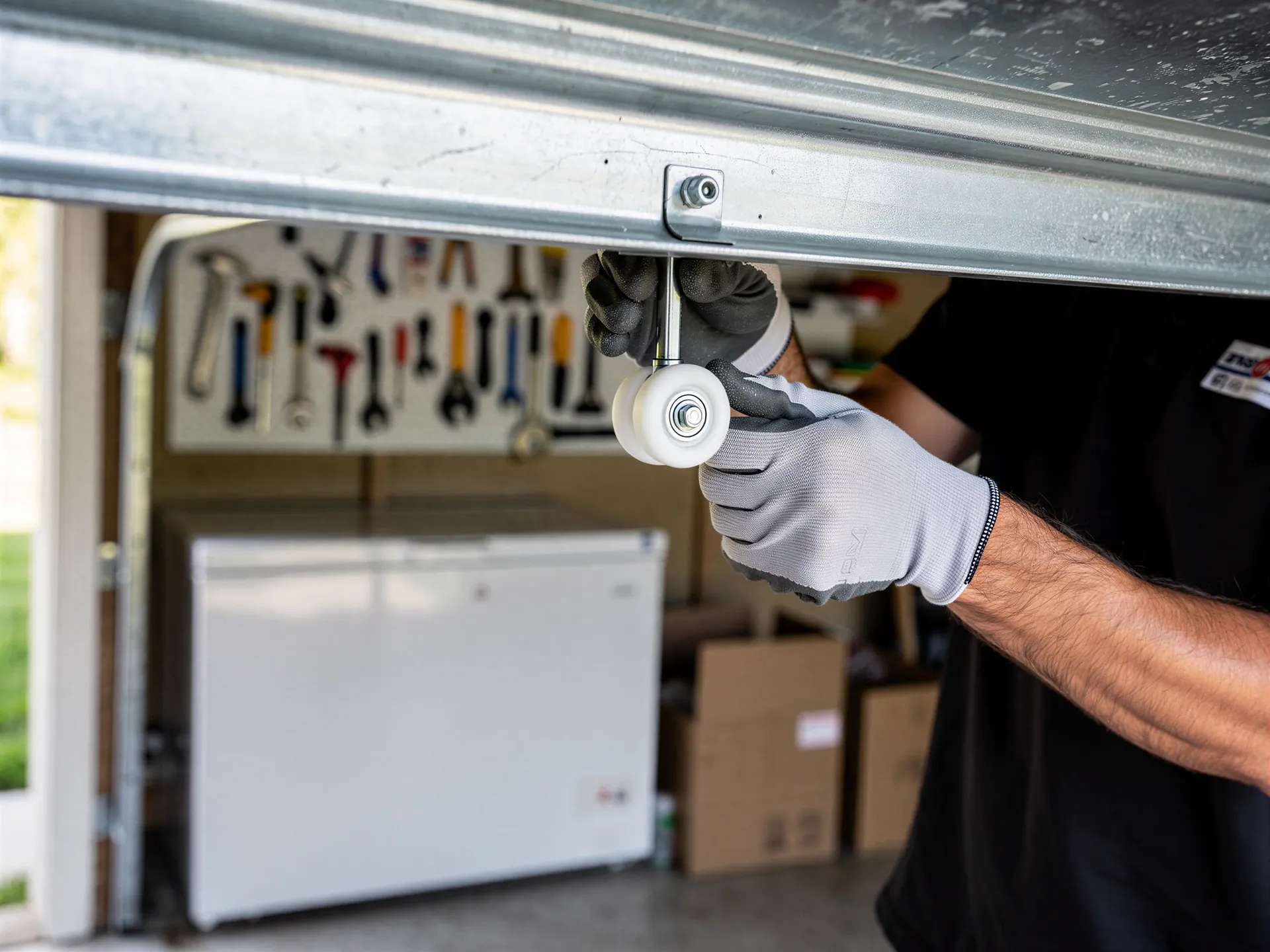
Cedar Hills homes mostly went up around 1965, two miles from our Beaverton shop. We replace the original steel rollers with sealed nylon ones that don't bind or rust.
Popular Services
How We Fix It
Cedar Hills sits about two miles from our Beaverton shop, and most of the houses here were built around 1965 - which means a lot of garages still have whatever rollers came on the door the day it was installed.
Steel rollers, widened grooves
Steel rollers on steel track, no nylon, no sealed bearing, just a stamped wheel riding in a groove that's worn a little wider every year since Johnson was president. We pull the old roller brackets, check the track for the wear pattern a 60-year-old steel roller leaves behind (it's usually a shallow groove, not a clean channel), and swap in sealed nylon rollers sized to the existing track width.
Truing widened track
If the track itself has been bent or widened by decades of steel-on-steel contact, we true it up or replace the section rather than bolt new rollers into a track that'll chew through them in a year.
Hinges and bearing plates
We also check the hinges and the end bearing plates while we're in there, because on a door this old, the roller is rarely the only part that's never been touched.
What Is on the Truck
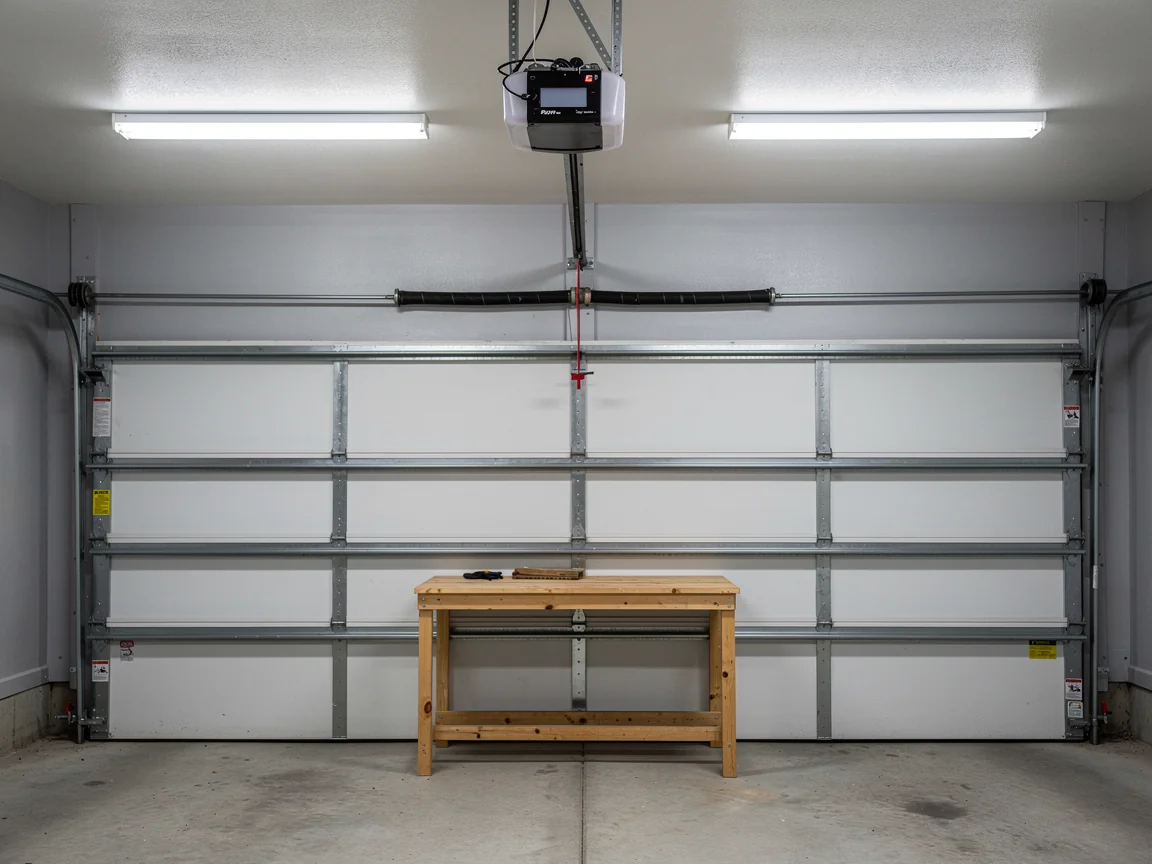
We carry sealed nylon rollers in the stem lengths and wheel diameters that fit the track styles common on houses built from the mid-1960s through the 1980s, since that covers most of what we run into working this part of the Beaverton-Portland side. We stock standard 7-ball and 10-ball bearing rollers, both 4-inch and 2-inch stem versions, plus the brackets that tend to need replacing alongside them on an older door. What we don't stock is track - if your track is bent badly enough to need a full section swap rather than a straightening, that's usually a next-visit part, and we'll tell you that up front rather than make you wait in the driveway while we guess.
How to Book
We come from Beaverton, about two miles away, so there's no separate dispatch or local branch to coordinate - one truck, one route, same crew that handles roller jobs across the rest of the service area.
Describe symptoms on call
Call and describe what the door's doing: grinding on the way up, a wheel visibly off its track, or just noise that's gotten worse over the past few months.
Prepared for 1960s hardware
If you know roughly when the house was built, that helps us guess what's on the track before we even get there - on a Cedar Hills house from the 1960s, we come prepared for steel rollers and the possibility of a track that's seen 55-plus years of them.
How It Shows Up
On a door this old, roller failure doesn't come out of nowhere. The usual sequence is a grinding or squealing sound that starts quiet and gets louder over weeks, then a door that hesitates or jerks at the same spot in the track every time, then one roller finally seizing or splitting so the door won't move past it at all. Our climate here is mild with occasional freeze, which isn't brutal on hardware the way a true freeze-thaw winter is, but 60 years of morning condensation on steel rollers and track still adds up to rust and pitting, especially on doors that sit in shade most of the day. That slow corrosion is usually what's actually grinding away at the roller, not just age by itself.
The DIY Question
Swapping a single roller on a door with modern hardware is a reasonable weekend job for someone comfortable with hand tools. On a 1965-era door, it's a different call. The track on these houses often isn't a standard modern width, the brackets may be riveted rather than bolted, and a door under spring tension with original hardware is where a lot of DIY jobs turn into an ER visit. If the door is original enough that we can't find matching parts on the truck, we'll say so rather than force a fit - sometimes the honest fix on a door this old is a full roller-and-track service, not a one-roller patch job.
Questions
Common questions
How old are most of the garage doors in Cedar Hills?
Most houses in Cedar Hills went up around 1965, so a lot of original garages still have the steel rollers and bracket style common to that era - not the sealed nylon rollers you'd find on anything built or upgraded in the last couple decades.
Do you have a shop in Cedar Hills?
No, we run out of Beaverton, about two miles away. There's no separate branch here - the same truck and crew that cover Beaverton handle roller jobs in Cedar Hills.
Can you match rollers to a 1965 track width?
Usually, yes. We carry sealed nylon rollers in the stem and bearing sizes that fit most track from that build era. If your track has been bent or widened over the decades, we'll flag that separately since it may need a track section rather than just new rollers.
Is roller noise always a roller problem?
Not always. On an original-hardware door, grinding can come from the roller, the track, or a worn bracket, and often it's more than one of those at once after 60 years. We check all three before quoting a fix.
Explore more
More Services in Cedar Hills
Cable Repair
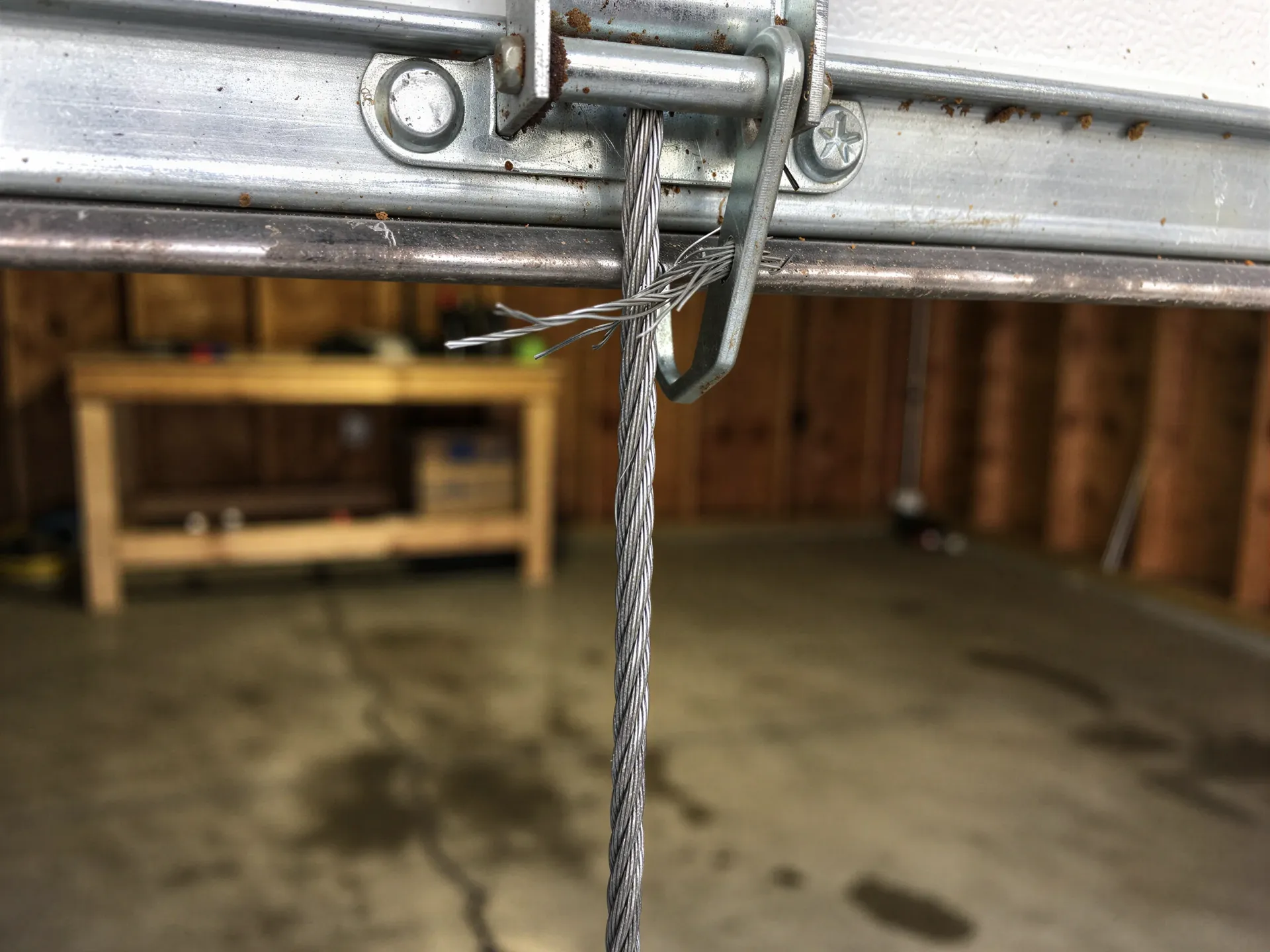
Cedar Hills has 3,548 households and most homes date to 1965 - older cable drums and worn hardware we see often. Learn more →
Emergency Garage Door
Garage door emergency repair in Cedar Hills, OR homes built 1965. Learn more →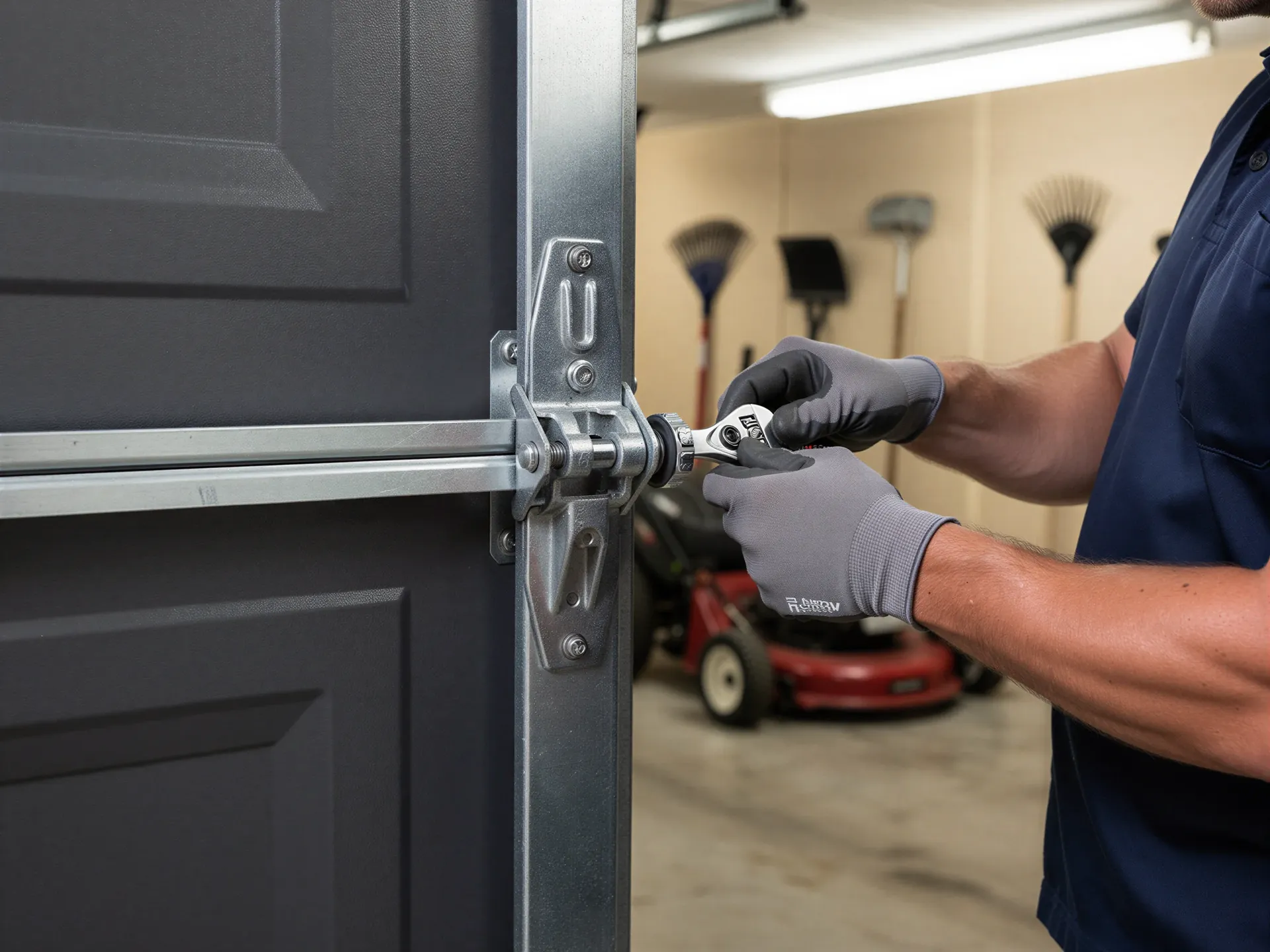
Garage Door Repair
Garage door repair for Cedar Hills, OR, built out mostly in the 1960s. Learn more →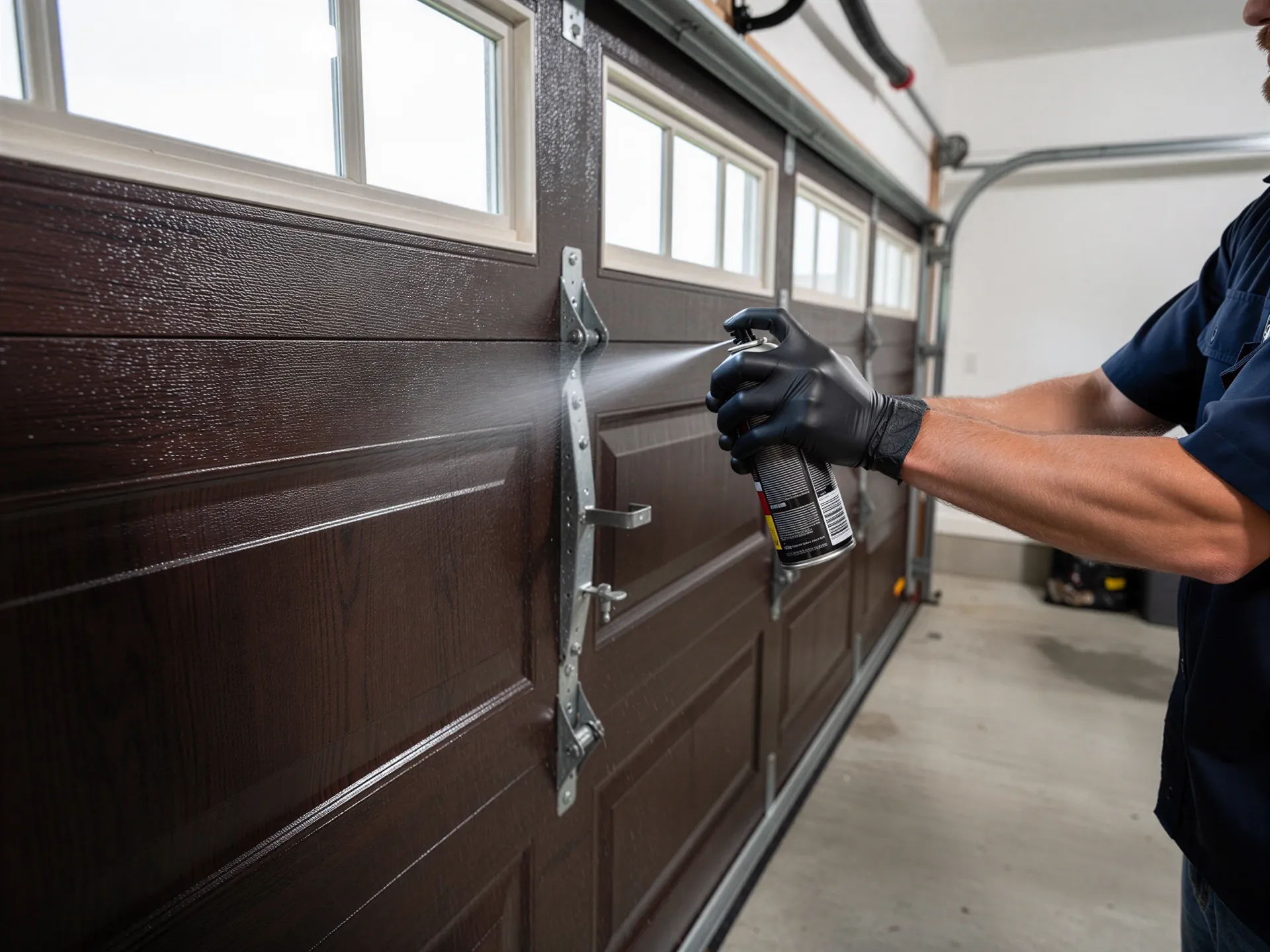
Garage Door Service
Garage door service in Cedar Hills, OR homes built 1965. Learn more →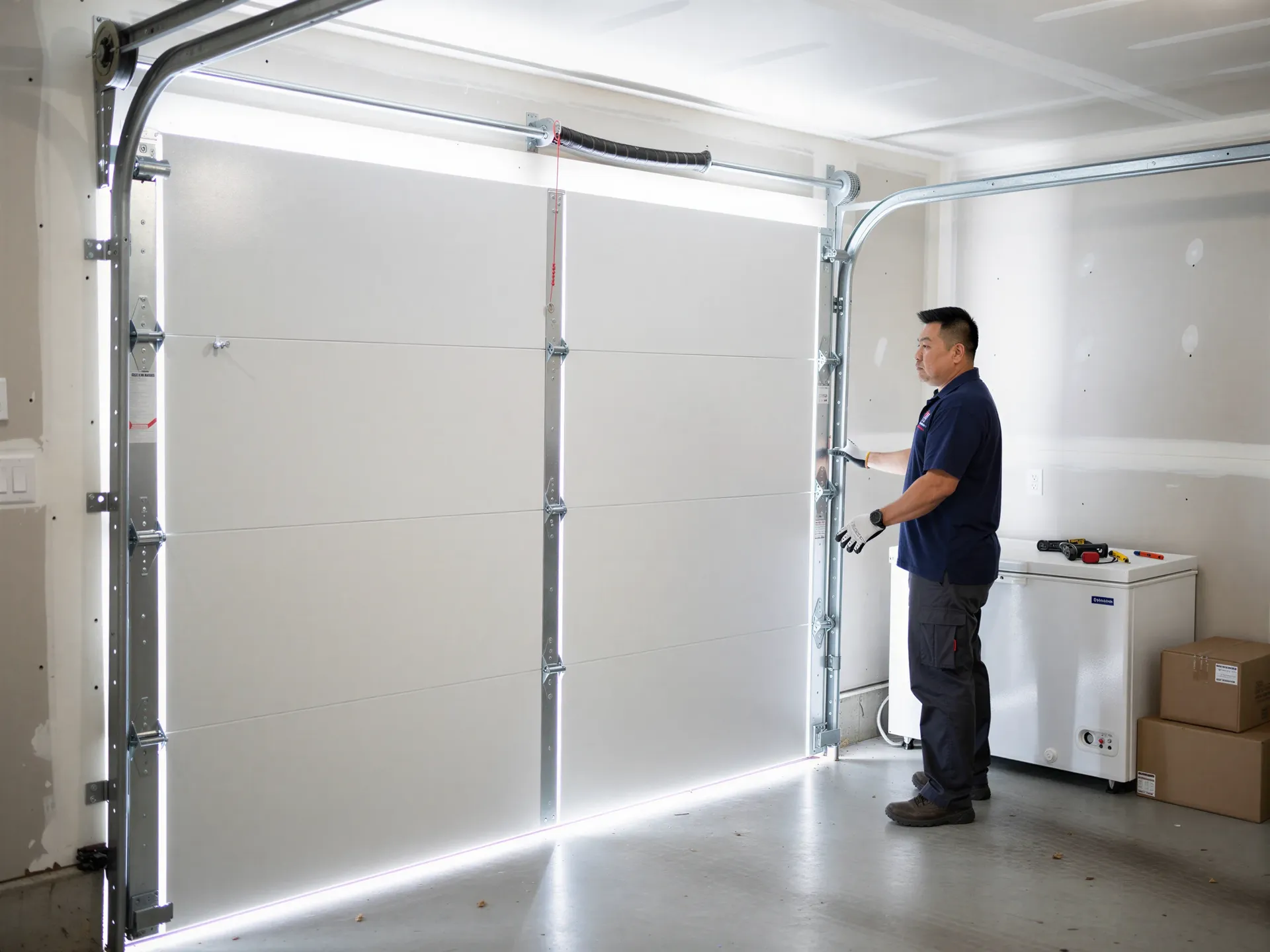
New Door Installation
Garage door new installation in Cedar Hills, OR homes built 1965. Learn more →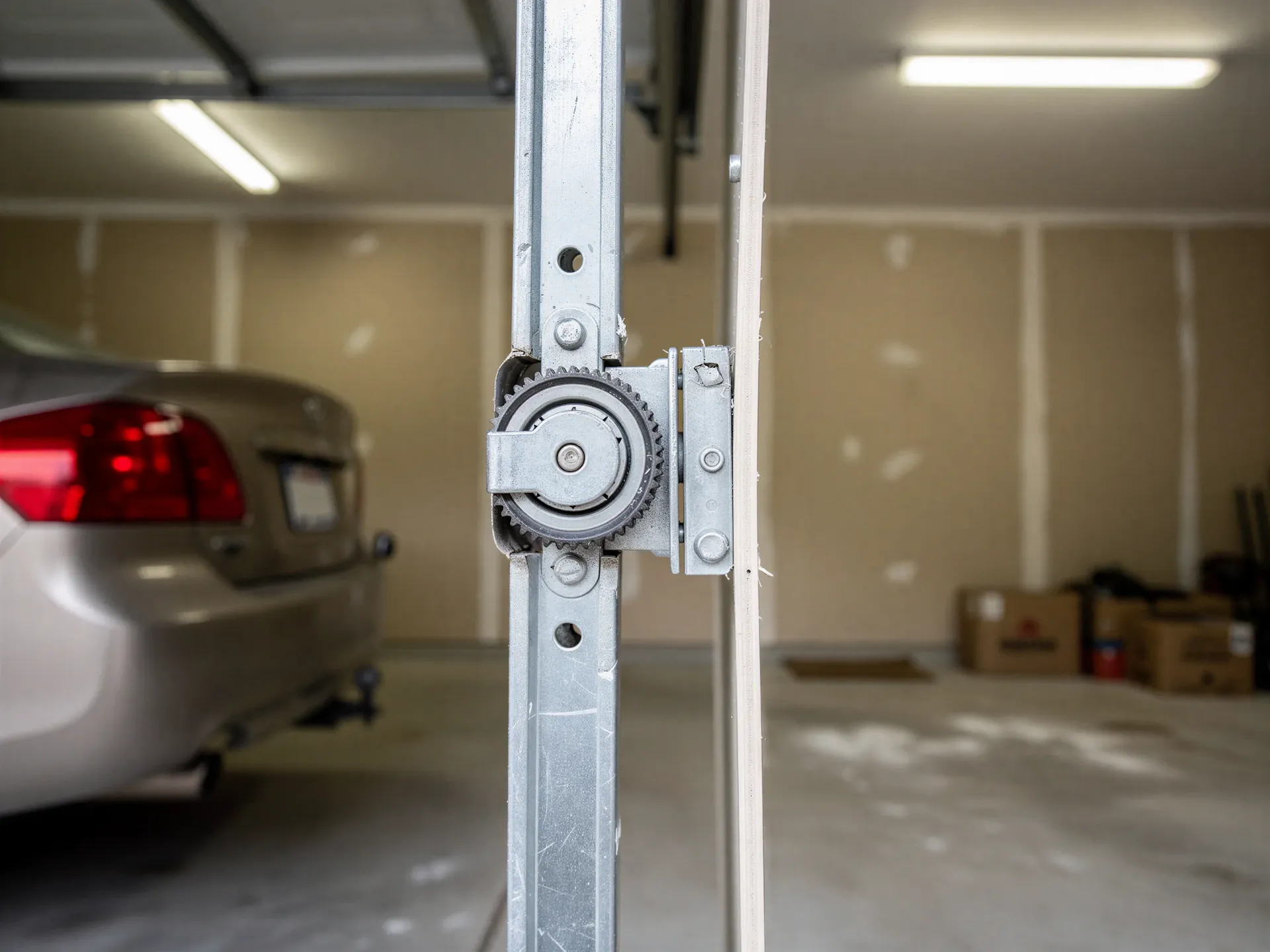
Off Track Repair
Cedar Hills homes date to 1965, two decades older than the Beaverton-area median. Learn more →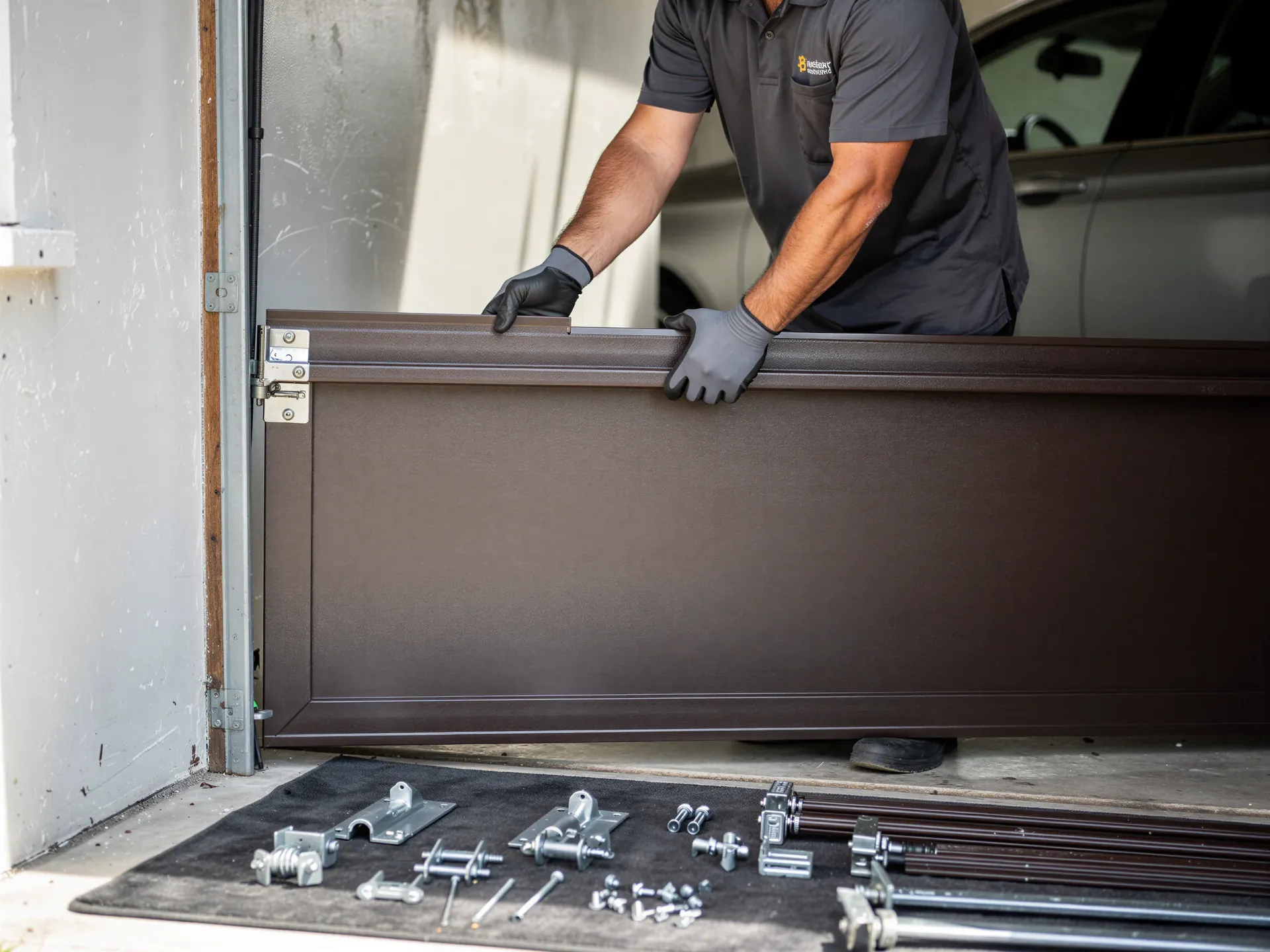
Panel Replacement
Garage door panel replacement in Cedar Hills, OR homes built 1965. Learn more →Ready when you are
Noisy or worn garage door rollers in Cedar Hills?
Beaverton Garage Door Pros repairs and installs garage doors, springs and openers in Beaverton, OR and the surrounding area.